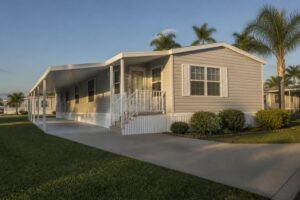
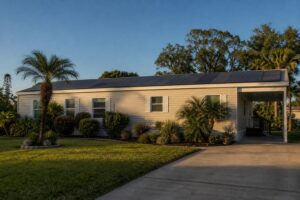
A seasonal mobile home insurance checklist helps Florida owners keep policy documents, attached-structure details, storm preparation, and renewal questions organized. A short review before hurricane season or renewal can prevent rushed decisions later.
At Bassine Insurance Agency LLC, we help clients slow down and compare the policy details that actually affect claim outcomes, not just the price on the declaration page. This guide explains the documents to gather, the questions to ask, and when it makes sense to call a local agent before making a change.
Seasonal Mobile Home Insurance Checklist: What To Check First

A seasonal mobile home insurance checklist usually becomes more important when the owner assumes a standard policy automatically covers every structure, weather event, or liability scenario tied to the home. In reality, the coverage language around named storms, flood losses, personal property, and attached features can vary sharply from one carrier to another.
That is why a policy review should start with the way the home is actually used. Is it owner occupied year-round, used seasonally, vacant part of the year, or modified with additions and screen enclosures? Those details affect underwriting and claims handling more than most homeowners realize. It also helps to compare the baseline rules published through HUD manufactured housing standards and match them against the risks specific to North Fort Myers and the rest of Southwest Florida.
Building A Season-By-Season Review Rhythm
Florida really has two seasons that matter for a mobile home owner: the long stretch leading up to and through hurricane season, and the quieter window afterward when it is easy to take stock. Building a simple rhythm around those windows keeps the paperwork from piling up into one stressful task. Early in the year, before the tropics get active, is a natural time to pull out the declarations page and confirm that the basics still describe the home you own today. After the season winds down, a short look back at anything that changed—repairs, upgrades, or a stretch of vacancy—keeps your file current for the next renewal.
The point of a rhythm is not to make insurance complicated; it is to make sure decisions are never rushed. Owners who only think about coverage when a storm is already named tend to discover questions at the worst possible time, when deadlines are tight and attention is scarce. Spreading a few small reviews across the year means each one is quick, and none of them collide with a forecast. If anything in your situation has shifted, that calm window is when to raise it with a licensed agent rather than during an active weather event.
A seasonal habit also helps you keep documentation fresh. Photographs of the home and its attached structures, receipts for any work done, and a current inventory of personal property are far easier to update a little at a time than to assemble all at once. None of this changes what a policy covers—that is always defined by the policy itself and best confirmed with a licensed agent—but it does make every conversation about coverage faster and more accurate.
What To Compare Before You Decide
Before you compare quotes, gather the information that shapes the real value of the policy: age of the home, roof condition, anchoring details, attached structures, prior claims, and whether you need separate flood or windstorm protection. This is also the right time to review whether the main dwelling coverage reflects repair pricing today rather than a number that has not been updated in years.
- Dwelling and other-structure limits that match the home and any additions
- Named-storm, wind, and all-other-peril deductibles that fit your budget
- Liability protection for guest injuries and day-to-day property use
- Claim documentation requirements before hurricane season begins
It also helps to compare the carrier paperwork against resources like FEMA hurricane preparation guidance and then line it up with your own risk tolerance. If you want a local starting point, review manufactured home insurance coverage first and then compare it with the places where your property or lifestyle creates a larger exposure than a basic policy might assume.
Common Coverage Review Mistakes To Avoid
The most common mistake is shopping only on premium and assuming the cheapest option protects the home the same way a broader policy does. A lower rate can come from higher deductibles, weaker other-structure coverage, actual-cash-value settlement, or exclusions that only become obvious after a loss.
Another mistake is waiting until a storm is already in the forecast. Underwriting restrictions, inspection requirements, or flood waiting periods can leave owners without enough time to tighten up the policy. When you are evaluating a Seasonal Mobile Home Insurance Checklist, it is smarter to review the paperwork early, compare the endorsements carefully, and make updates while the process is still simple.
Organizing Documents So A Claim Goes Smoother
If a loss ever happens, the difference between a calm claim and a stressful one often comes down to how organized the paperwork was beforehand. A simple folder—digital, physical, or both—can hold the documents you would not want to hunt for under pressure: the current declarations page, the most recent renewal notice, contact details for your agent and carrier, and a clear record of the home and its contents. Keeping a copy somewhere you can reach even if you have evacuated, such as a secure cloud account, means the information travels with you.
Photographs and short videos are especially useful for documenting condition before storm season each year. Walking through the home and its attached structures with a phone camera, then saving those files with a date, creates a baseline that speaks for itself. The same goes for receipts on any improvements or repairs. This kind of record-keeping does not change your coverage in any way; it simply makes it easier to have an accurate, fact-based conversation if you ever need to file. For questions about what your specific policy requires in a claim, a licensed agent is the right person to ask.
Finally, build a habit of noting changes as they happen rather than trying to remember them later. A new roof, an updated tie-down, a converted room, or a change in how often the home is occupied are all worth recording when they occur. Bringing that running list to a seasonal review gives a licensed agent the context to confirm whether anything in your situation is worth discussing for your particular policy.
Planning The Right Next Step In North Fort Myers

A strong review usually ends with a short checklist: confirm the right structures are listed, verify valuation method, check liability limits, and make sure your emergency claim paperwork is easy to access. If the home is in North Fort Myers or another part of Southwest Florida where storms, vacancy, or flood exposure matter, those details deserve more than a once-every-few-years glance.
If you want to compare your current policy with local options, gather your declarations page, renewal notice, and details about additions or occupancy changes before calling Bassine Insurance Agency LLC. A local review can focus on the home you actually own rather than a generic Florida checklist.
Frequently Asked Questions
How often should mobile home insurance be reviewed in Florida?
A yearly review is the safest baseline, and an extra review makes sense after upgrades, occupancy changes, or before hurricane season starts. That keeps deductibles, endorsements, and attached structures aligned with the way the property is actually used.
Does flood damage come with a standard mobile home policy?
Usually not. Flood damage is typically handled through separate flood coverage, so owners should confirm whether they need a second policy instead of assuming storm-related water damage is already included.
What is the biggest mistake homeowners make when comparing policies?
Many people compare premium only and skip the details that control the claim experience, such as named-storm deductibles, other structures, liability limits, and whether replacement cost or actual cash value applies.
Take The Next Step
If you want help reviewing this mobile home insurance question, call (239) 995-3515 or use our contact page to reach Bassine Insurance Agency LLC. A direct conversation is usually the fastest way to compare the right options for your mobile home, occupancy, location, attached structures, and coverage questions in North Fort Myers.