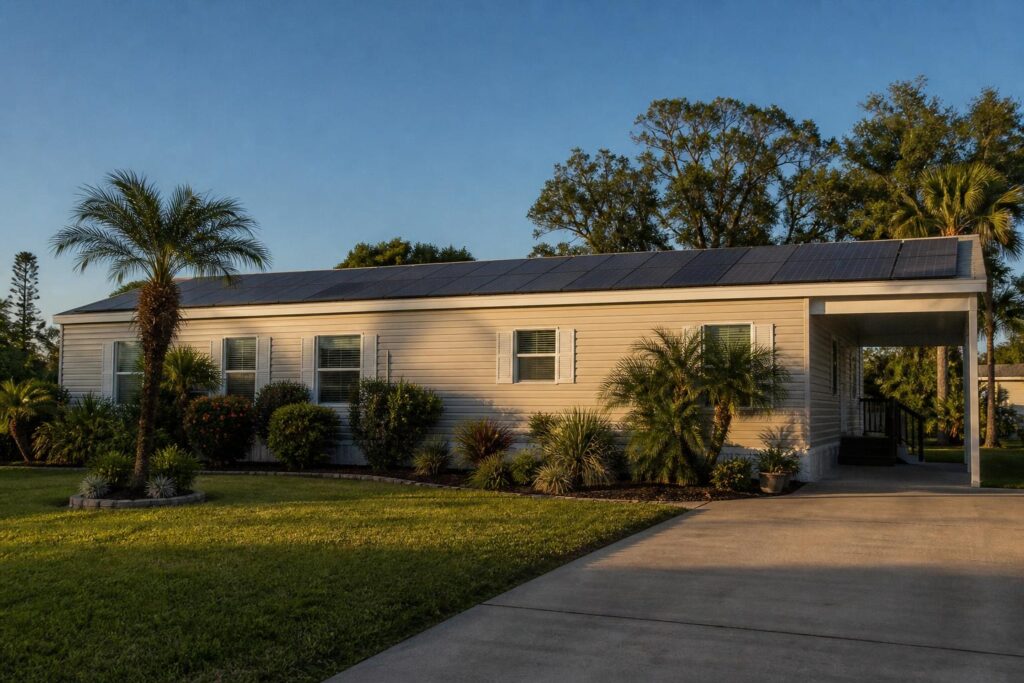
Adding solar panels to a manufactured or mobile home is becoming more common in Florida as homeowners look to manage rising energy costs and take advantage of the state’s abundant sunshine. Before scheduling an installation, it is worth understanding how the addition can interact with your insurance policy, because solar equipment is not always treated the same way as the rest of the home under every policy form.
At Bassine Insurance Agency LLC, we help clients slow down and compare the details that matter before and after a home improvement like this, not just the sticker price of the installation. This guide covers the questions worth asking, the documentation worth keeping, and when it makes sense to call a local agent before or after panels go on the roof.
Why Solar Additions Raise Insurance Questions
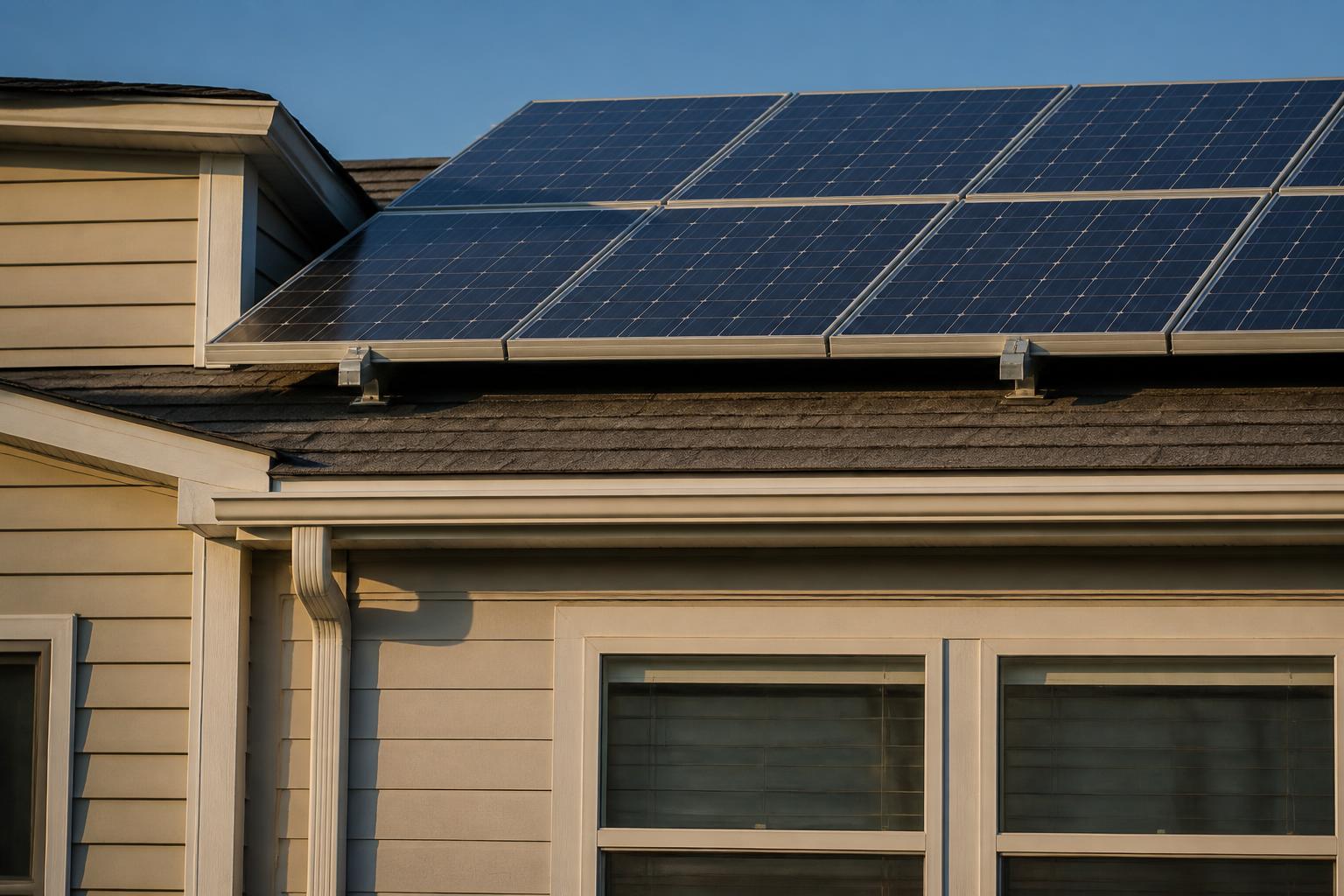
A manufactured or mobile home policy is generally built around the value and condition of the home as it existed when the policy was written or last reviewed. When you add a fixed structure or system such as a solar array, that addition changes the total insurable value of the property and may raise questions the original policy language did not fully anticipate, including how the panels are classified, what perils apply to them, and whether they are automatically included in dwelling coverage or need to be scheduled separately.
Roof-mounted equipment also introduces wind and storm considerations that matter in Florida specifically. Panels are exposed to the same named-storm and wind events as the roof itself, and mounting hardware, roof penetrations, and electrical connections can all factor into how a claim is evaluated after severe weather. None of this means solar is a bad decision, but it does mean the addition deserves a policy conversation rather than an assumption that everything is automatically covered.
Liability is another piece worth thinking through. Electrical systems tied to a solar array involve additional wiring, an inverter, and connection points that did not exist on the home before, and a licensed installer’s work should come with its own permits, inspections, and warranty documentation. Keeping that paperwork alongside your insurance file gives you a clear record of what was installed, by whom, and under what code requirements, which can matter later if a claim ever needs to reference how the system was originally set up.
What To Compare Before You Decide
Before or shortly after a solar installation, gather the information that shapes how the addition is treated on your policy: the installed cost and system specifications, whether the panels are owned outright or financed or leased, the mounting method used on the roof, and any documentation from the installer about permits and inspections. This is also a good time to review whether your dwelling and other-structures limits reflect the added value rather than a number set before the panels went on the roof.
- Whether solar equipment is covered under dwelling coverage or needs a separate endorsement
- Named-storm and wind deductibles that would apply to roof-mounted equipment
- Whether coverage is based on replacement cost or actual cash value for the panels
- How a leased or financed system affects who is listed on a claim payout
It also helps to compare your policy paperwork against general guidance from resources such as the U.S. Department of Energy’s homeowner’s guide to going solar and FEMA hurricane preparation guidance, then line that up with your own risk tolerance. If you want a local starting point, review manufactured home insurance coverage first and then compare it against the specific way solar equipment is treated in the policy.
Common Mistakes To Avoid
The most common mistake is assuming a standard policy automatically extends full replacement coverage to a newly added solar system without confirming it with your agent or carrier. Depending on the policy, panels may need to be added as a scheduled item, and skipping that step can leave a gap between what the system cost and what a claim would actually pay.
Another mistake is not updating your insurer promptly after installation. Underwriting, inspection requirements, or documentation windows can leave a homeowner without adequate proof of the addition if a claim happens before the update is processed. When you are evaluating whether manufactured home insurance covers solar panels, it is smarter to have the conversation with your agent while the paperwork from the installer is still on hand, rather than after a storm has already passed through.
A third mistake is treating the initial policy update as the last step. Homes change over time, and so do solar systems, whether through added panels, battery storage, or repairs after a storm. Revisiting the coverage at each annual review, and any time the system is modified, helps keep the insured value and the actual system in sync instead of drifting apart year after year.
Planning The Right Next Step In North Fort Myers
A solid review usually ends with a short checklist: confirm whether the panels are listed on the policy, verify the valuation method that would apply to a claim, check how wind and named-storm deductibles apply to roof-mounted equipment, and keep your installer’s documentation somewhere easy to find. If your manufactured or mobile home is in North Fort Myers or another part of Southwest Florida, where storm exposure is a real factor, those details deserve more than a passing glance.
If you are planning a solar installation or already have one, gather your declarations page, renewal notice, and the installer’s specification sheet before calling Bassine Insurance Agency LLC. A local review can focus on your specific home, roof, and system rather than a generic statewide checklist, and it gives you a chance to ask questions in plain language before you need the answers during a claim.
Frequently Asked Questions
Do I need to tell my insurance company before installing solar panels?
In general, yes. Notifying your agent or carrier before or shortly after installation helps confirm how the system will be treated on your policy and avoids a gap in coverage if something happens to the panels.
Are leased solar panels covered differently than owned panels?
They can be. A leasing or financing company may have its own coverage requirements, and claim payouts can involve more than one party, so it is worth reviewing that arrangement with your agent alongside your homeowner’s coverage.
Does a standard manufactured home policy automatically cover storm damage to solar panels?
It depends on the policy. Some policies extend dwelling coverage to attached equipment, while others may require a specific endorsement, so this is a detail to confirm rather than assume.
Can adding solar panels affect my premium?
It can, since the addition increases the insurable value of the property. Ask your agent how the added value and any related equipment coverage would factor into your premium at renewal.
Take The Next Step
If you want help reviewing how a solar addition fits your manufactured home insurance, call (239) 995-3515 or use our contact page to reach Bassine Insurance Agency LLC. You can also request a mobile home insurance quote if you are comparing coverage as part of your solar planning. A direct conversation is usually the fastest way to compare the right options for your home, roof, and system in North Fort Myers and across Southwest Florida.