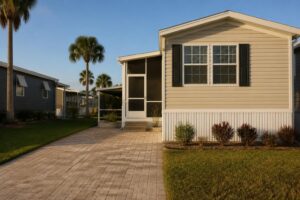
Buying a manufactured home to rent out can be a sound move in markets like Sarasota and North Fort Myers, but it changes the insurance conversation in ways many owners do not expect. Rental mobile home insurance florida landlords need is not the same product as the policy that covers an owner-occupied home, and using the wrong one can leave a gap exactly where a claim might land.
At our agency, we often see owners try to keep their existing homeowner-style policy in place after they move out and put a tenant in. The trouble is that occupancy is one of the things a policy is built around, and a home you no longer live in is usually rated and covered differently. Below, we explain why a rental needs its own coverage, how landlord policies are structured, and where the line falls between what you insure and what your tenant should insure.
Why a Rental Mobile Home in Florida Needs Different Coverage
An owner-occupied mobile home policy is generally written on the assumption that you live in the home. Once a tenant moves in and you become a landlord, the risk profile shifts. You no longer keep personal belongings there, your liability exposure changes, and you may care about protecting rental income that an owner-occupied policy was not built to address.
For those reasons, most carriers expect a rented manufactured home to be insured under a landlord-style policy rather than a standard homeowner form. Continuing to carry an owner-occupied policy on a home you rent out can create problems at claim time if the insurer learns the occupancy does not match the policy. The cleaner approach is to insure the home for what it actually is, and we can help you make that switch before it becomes an issue. You can start by reviewing our manufactured home insurance options.
Landlord (Dwelling/DP) Policies Explained

Coverage for a rented dwelling is often written on a dwelling property form, sometimes referred to as a DP policy. These forms come in different tiers that broadly range from more basic, named-peril coverage settled on an actual cash value basis to broader coverage that can include replacement cost on the structure. The right tier depends on the home, its age and condition, and how much protection you want for the building itself.
A landlord policy is generally focused on the things an owner cares about as a property owner rather than a resident. That typically includes the structure of the manufactured home, any appliances or property you own and keep at the home, your liability as the property owner, and often an option to cover lost rental income if a covered loss makes the home unlivable. Because the tiers and options vary, we suggest matching the form to your goals rather than defaulting to the cheapest version.
What the Landlord Insures vs. What the Tenant Insures
One of the most common misunderstandings in a rental arrangement is who covers what. In broad terms, the landlord and the tenant each insure their own interests:
- The landlord typically insures the structure of the home, owned appliances and fixtures, liability tied to the property, and potentially loss of rental income.
- The tenant is generally responsible for their own belongings and their personal liability, which a renters or tenant policy is designed to cover.
A landlord policy does not usually cover a tenant’s furniture, electronics, or clothing if a storm or fire damages the home. That is why many owners ask tenants to carry their own renters coverage. Owners renting in our area can also see how local coverage is handled on our Sarasota page.
Loss of Rental Income and Liability Concerns

Two protections tend to matter most to landlords beyond the structure itself. The first is loss of rental income, sometimes called fair rental value, which can help replace the rent you would have collected while a covered loss makes the home uninhabitable. In a region where storm damage can take a home offline for a stretch, that coverage can be the difference between a manageable setback and a real financial strain. We often remind owners in North Fort Myers and Naples that a single storm season can mean weeks without rent, which is exactly the kind of gap this protection is meant to close.
The second is liability. As the property owner, you can face claims arising from conditions at the home, and a landlord policy generally includes liability coverage for that exposure. Many manufactured-home communities also have their own requirements, and a park may ask owners to carry a minimum level of liability coverage. We can help you confirm what your community expects and make sure your policy meets it.
Coverage for Mobile Homes in Rental Communities
Many rented manufactured homes sit in parks or land-lease communities, which adds a few wrinkles. The community usually insures common areas and its own property, not your home or your tenant’s belongings, so the responsibility for the home itself still rests with you. Vacancy between tenants is another consideration, since some policies treat a home that sits empty for an extended period differently, and a vacancy can affect coverage if it is not disclosed.
If you expect gaps between tenants, that is worth mentioning to us so the policy reflects how the home is actually used. The same goes for any seasonal pattern, which is common in Southwest Florida rentals. Getting these details right at the start tends to prevent the kind of coverage surprise that only shows up at claim time. Taking a few minutes to map out who insures the home, who insures the contents, and who covers the land gives everyone a clearer picture before a tenant ever moves in.
Frequently Asked Questions
Can I keep my regular mobile home policy if I rent the home out?
Usually not in the same form. Owner-occupied policies are written around the assumption that you live there, and renting the home out generally calls for a landlord or dwelling policy instead. We can review your current coverage and help you move to the right form.
Does my landlord policy cover my tenant’s belongings?
Generally no. A landlord policy is focused on the structure and your interests as the property owner. A tenant’s personal property is typically covered by their own renters policy, which is one reason many owners require renters insurance in the lease.
Should I require my tenant to carry renters insurance?
Many landlords do, and it can be written into the lease. It helps ensure the tenant’s belongings and personal liability are covered, which keeps those claims off your policy. We are glad to explain how the two policies fit together.
What about the months the home sits empty between tenants?
Vacancy can affect coverage, since some policies treat an unoccupied home differently. If you expect gaps between tenants, tell us so the policy reflects it. Disclosing vacancy ahead of time helps avoid a dispute later.
If you own or are buying a manufactured home to rent in Florida, we can help you line up coverage that fits a landlord’s needs rather than a homeowner’s. Reach out through our request a quote page, and we will walk through landlord policy options, rental income protection, and how to coordinate coverage with your tenants.