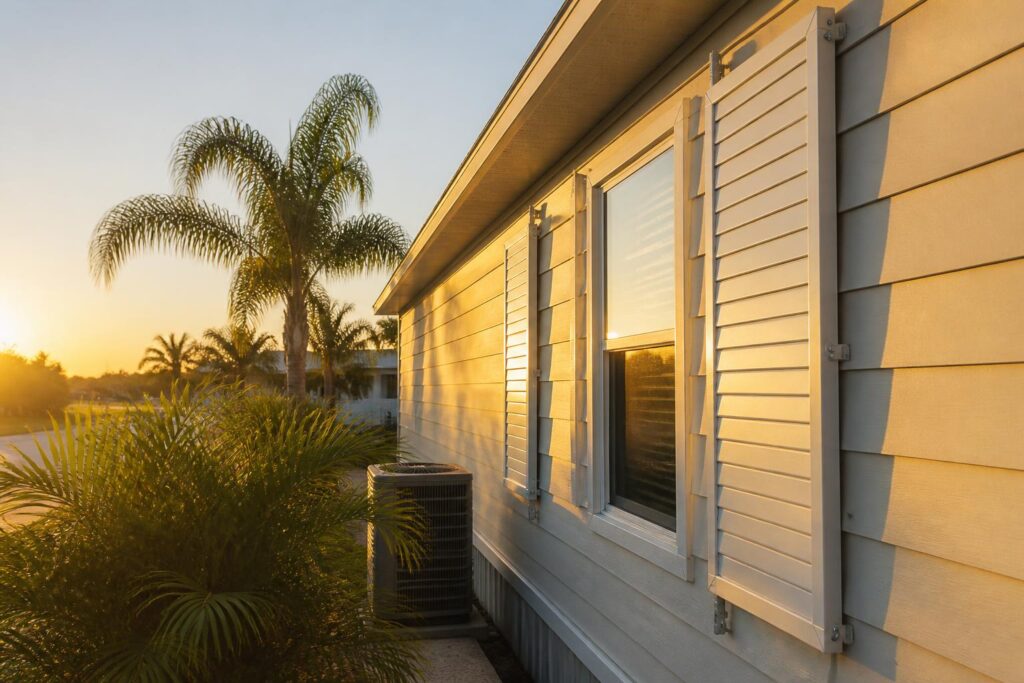
If you own a mobile or manufactured home in Florida, you have probably heard the term “wind mitigation inspection” mentioned by an agent, an insurer, or a neighbor comparing coverage. It is one of the most common questions Florida homeowners ask when they are trying to understand their options, and it is worth understanding clearly rather than guessing at what it involves.
At Bassine Insurance Agency LLC, we talk with mobile and manufactured homeowners across Southwest Florida who want to know whether a wind mitigation inspection applies to their home and what it could mean for their coverage. This guide walks through what the inspection generally covers, how it differs from other inspections, and what steps are worth considering.
What A Wind Mitigation Inspection Actually Covers
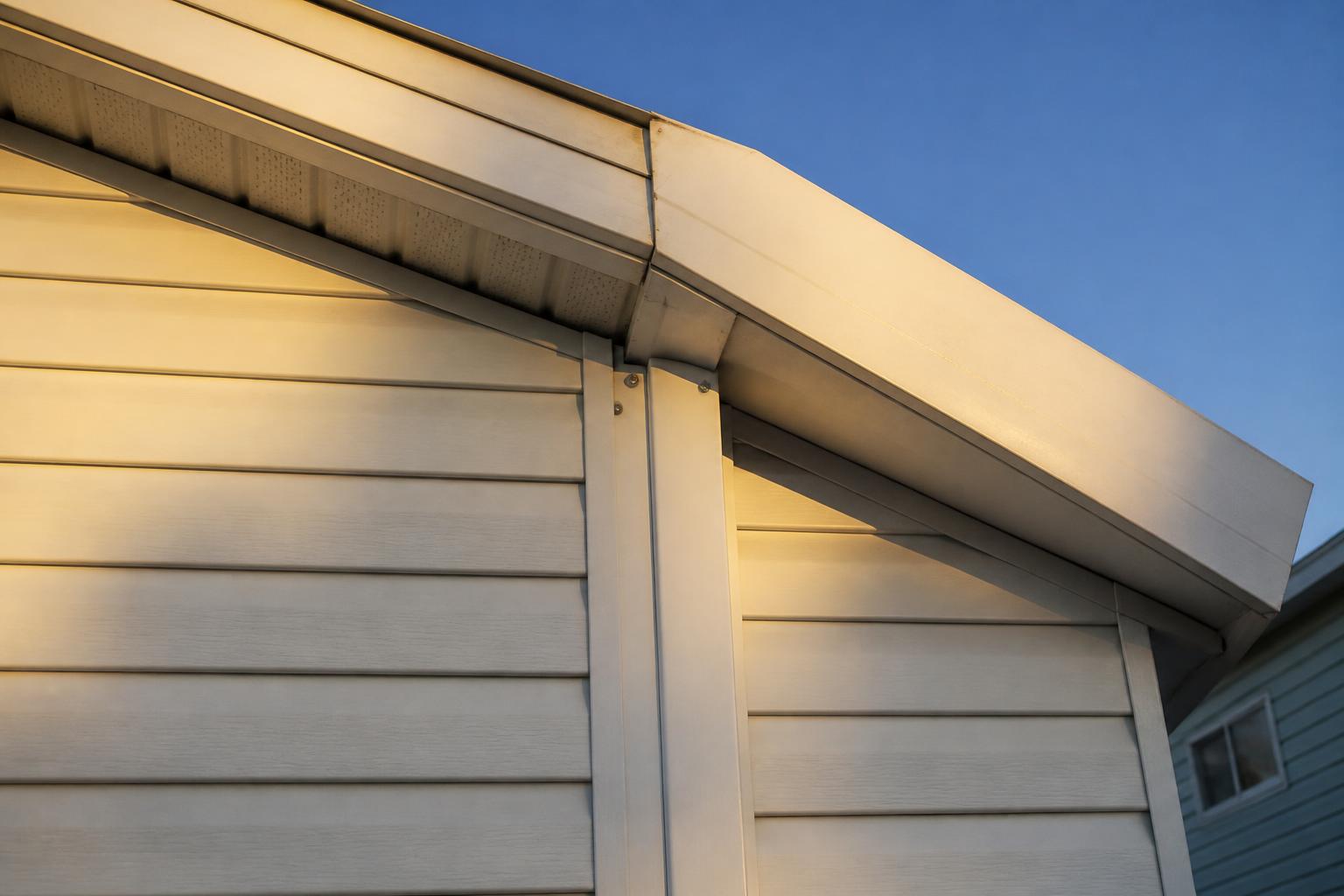
A wind mitigation inspection evaluates specific construction features that affect how well a home is likely to withstand high winds, such as those from a hurricane or tropical storm. Rather than looking at a home’s overall condition, the inspector focuses on a defined set of features, including the shape of the roof, how the roof deck is attached, how the roof connects to the walls, whether openings such as windows and doors have storm protection, and whether the home has certain secondary water-resistance features.
Each of these features is scored or documented in a standardized report. The idea is to capture, in a consistent way, how a specific home’s construction compares to wind-resistant building practices, since features like a hip roof shape or reinforced roof-to-wall connections are generally associated with better performance in high winds compared to older or less reinforced construction.
Why Homeowners Get One
Many Florida homeowners choose to have a wind mitigation inspection done because the resulting report can potentially qualify a home for premium credits on the wind portion of a homeowners or mobile/manufactured home policy. Whether your home qualifies for any credit, and how much of a difference it makes, depends entirely on your specific home’s features and your insurer’s underwriting approach, so it is not something a general guide like this one can predict for you.
For manufactured and mobile homeowners specifically, this can be a useful conversation to have, since some communities and homes already include wind-resistant features as part of their construction or as upgrades made over time, such as reinforced tie-downs, shutters, or specific roof attachment methods. A wind mitigation inspection is the formal way to document those features for insurance purposes rather than just describing them informally.
How Long A Wind Mitigation Report Is Generally Valid
Wind mitigation reports are not treated as permanent. Insurers generally expect a report to reflect the home’s current condition, and a report can become outdated if the home’s roof or other inspected features are replaced or modified afterward. Because expectations around report validity and acceptance can vary by insurer, it is worth confirming directly with your agent or insurer how current your specific report needs to be, rather than assuming an older report will always be accepted.
How It Differs From A 4-Point Inspection
Wind mitigation inspections are sometimes confused with 4-point inspections, but they serve different purposes. A 4-point inspection looks at the roof, electrical, plumbing, and HVAC systems to help an insurer evaluate general insurability, often tied to a home’s age. A wind mitigation inspection is focused specifically on storm-resistant construction features and is generally used to evaluate potential premium credits rather than baseline insurability. Some homeowners have both inspections done around the same time, since both can be relevant to a policy review.
- Whether your home’s roof shape, attachment method, and opening protection have been formally documented
- Whether any wind-resistant upgrades have been made since the home was originally built
- How current your existing wind mitigation report is, if you already have one
- Whether a new inspection makes sense given your renewal timeline or a recent roof or shutter update
A local, licensed agent can help you understand whether a wind mitigation inspection makes sense for your specific home and how it fits into your broader coverage picture. If you want a starting point for comparing coverage details generally, our mobile home insurance and manufactured home insurance pages outline what a typical policy conversation covers.
Timing A Wind Mitigation Inspection Around Other Home Projects
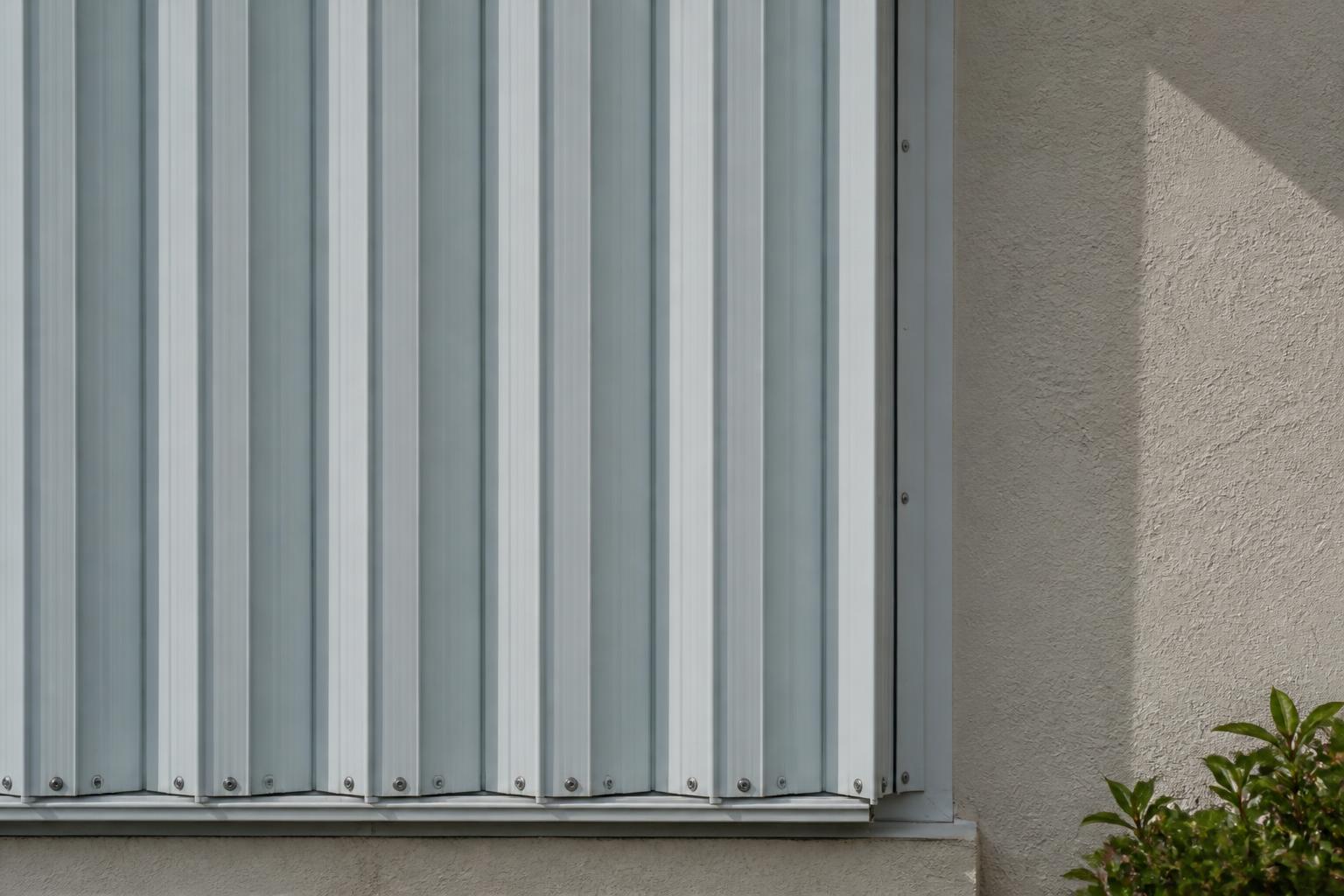
Many homeowners choose to schedule a wind mitigation inspection right after completing a roof replacement, adding shutters, or making other storm-related upgrades, since the inspection captures the home’s current condition. Waiting too long after a project is finished is not necessarily a problem, but pairing the inspection with the timing of a major upgrade means the resulting report reflects the improvement right away rather than waiting for a future renewal cycle to document it.
If you are planning a roof replacement or considering adding storm shutters, it is worth asking your contractor and your agent whether a wind mitigation inspection makes sense once the work is complete. That way you are not left wondering whether an older report still reflects your home’s current features.
Who Performs The Inspection
Wind mitigation inspections are generally performed by qualified, licensed inspectors trained to complete the standardized report format insurers expect. Because requirements and accepted inspector credentials can vary, it is worth confirming with your agent or insurer who is qualified to complete a report that they will accept, rather than assuming any general home inspector automatically qualifies.
Where To Verify Current Requirements
Because wind mitigation inspection standards, forms, and credit eligibility are set by individual insurers and the state’s broader regulatory framework, and can change over time, the most reliable way to confirm what applies to your home is directly through your insurer or agent. The Florida Office of Insurance Regulation is the state agency that oversees the broader property insurance market and is a useful general resource for understanding how Florida’s insurance system works. Treat this guide as a starting point for the right questions to ask, not a substitute for confirming your specific situation.
Frequently Asked Questions
Does every mobile or manufactured home qualify for a wind mitigation credit?
Not necessarily. Whether your home qualifies, and for how much, depends on your specific construction features and your insurer’s underwriting approach. A local agent can help you understand your options.
Is a wind mitigation inspection required in Florida?
It is generally optional and typically pursued because it may lead to premium credits, rather than being a blanket state requirement. Confirm with your agent or insurer how it applies to your specific policy.
How long does a wind mitigation report last?
Expectations vary by insurer, and a report can become outdated if the home’s roof or other inspected features change. Confirm current requirements with your agent or insurer.
Is a wind mitigation inspection the same as a 4-point inspection?
No. A wind mitigation inspection evaluates storm-resistant construction features, often for premium credit purposes, while a 4-point inspection evaluates the roof, electrical, plumbing, and HVAC systems for general insurability.
Talk To A Local Agent About Your Mobile Home
If you own a mobile or manufactured home in Southwest Florida and want help understanding whether a wind mitigation inspection could apply to your situation, call (239) 995-3515 or use our contact page to reach Bassine Insurance Agency LLC. We work with mobile and manufactured homeowners across North Fort Myers and the surrounding area and are glad to walk through your specific coverage questions in one conversation.