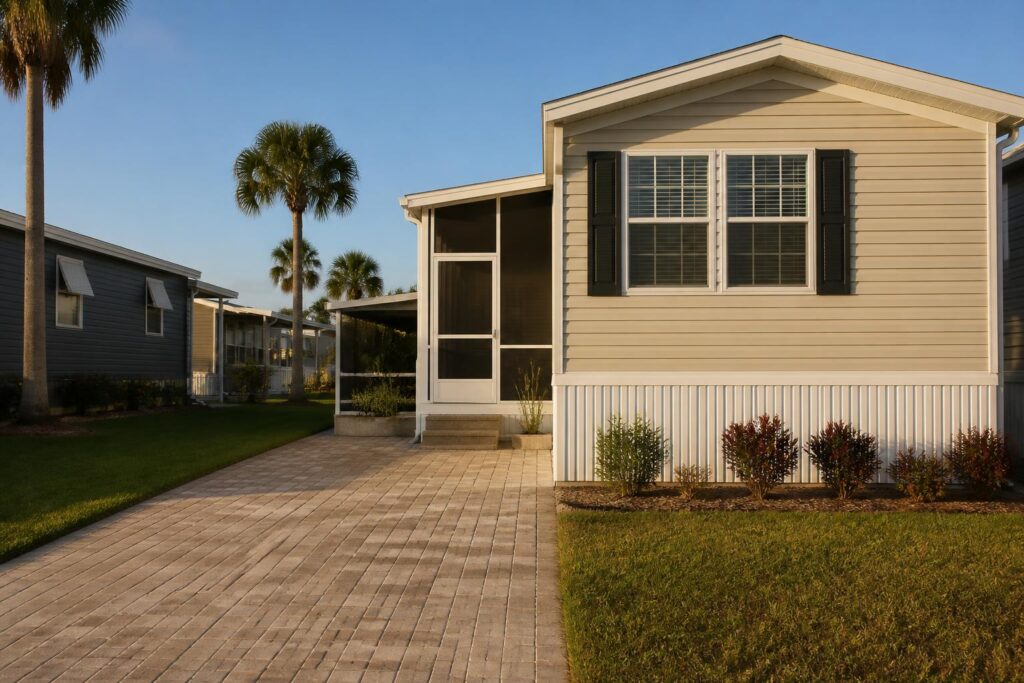
Sinkholes are one of those Florida-specific risks that come up a lot in casual conversation, and for good reason: the state’s limestone bedrock makes ground movement more of a live issue here than in almost any other part of the country. If you own a mobile or manufactured home in Southwest Florida, there is a good chance you have wondered at some point whether your policy would actually respond if the ground beneath your home ever shifted.
The honest answer is that it depends on which coverage you carry, because Florida treats sinkhole-related losses differently than it treats most other perils. Here is a plain-English look at how that generally works and what is worth checking on your own policy.
Two Different Coverages, Not One
Florida insurance law splits ground-movement risk into two distinct coverages, and the difference matters more here than it would almost anywhere else in the country.
- Catastrophic ground cover collapse. Florida law generally requires residential property insurers, including mobile and manufactured home insurers, to include this coverage in every policy. It applies to a narrow, severe scenario: an abrupt collapse of the ground surface, a visible depression, and structural damage serious enough that the home is condemned or otherwise unsafe to occupy.
- Sinkhole loss coverage. This is a separate, broader coverage that addresses structural damage caused by sinkhole activity even when the ground has not abruptly and visibly collapsed. Because it covers a wider range of sinkhole-related damage, Florida law generally requires insurers to offer it as an option, typically for an additional premium, with the policyholder able to decline it in writing.
The practical difference is worth sitting with: catastrophic ground cover collapse is a narrow, built-in safety net reserved for the most extreme cases. Sinkhole loss coverage is the broader, opt-in protection most people actually mean when they ask “am I covered for sinkholes.” If you cannot remember ever being asked whether you wanted it, or you are not sure whether you accepted or declined it, that is worth clarifying directly with your agent rather than assuming either way.
What Generally Counts As a Sinkhole Loss
Sinkhole activity, in the insurance sense, generally refers to settlement or systematic weakening of the ground caused by the raveling or dissolving of the limestone beneath the surface. The kind of damage that typically triggers a claim includes:
- Cracking in the home’s foundation, piers, or support blocks that follows a pattern consistent with ground settlement rather than normal aging
- Doors and windows that suddenly stop closing properly after previously working fine
- Visible depressions or slumping in the yard, driveway, or the ground directly around the home’s perimeter
- Cracks in exterior walls, skirting, or interior drywall that appear or worsen quickly rather than gradually over years
Ordinary settling that happens slowly over the life of a home, minor cosmetic cracking, and cracks tied to a home’s own construction or age are generally treated differently than sudden, geology-driven movement. This is exactly why an actual engineering assessment, rather than a guess from looking at a crack, is usually the next step when sinkhole activity is suspected.
Why Mobile and Manufactured Homes Deserve a Closer Look
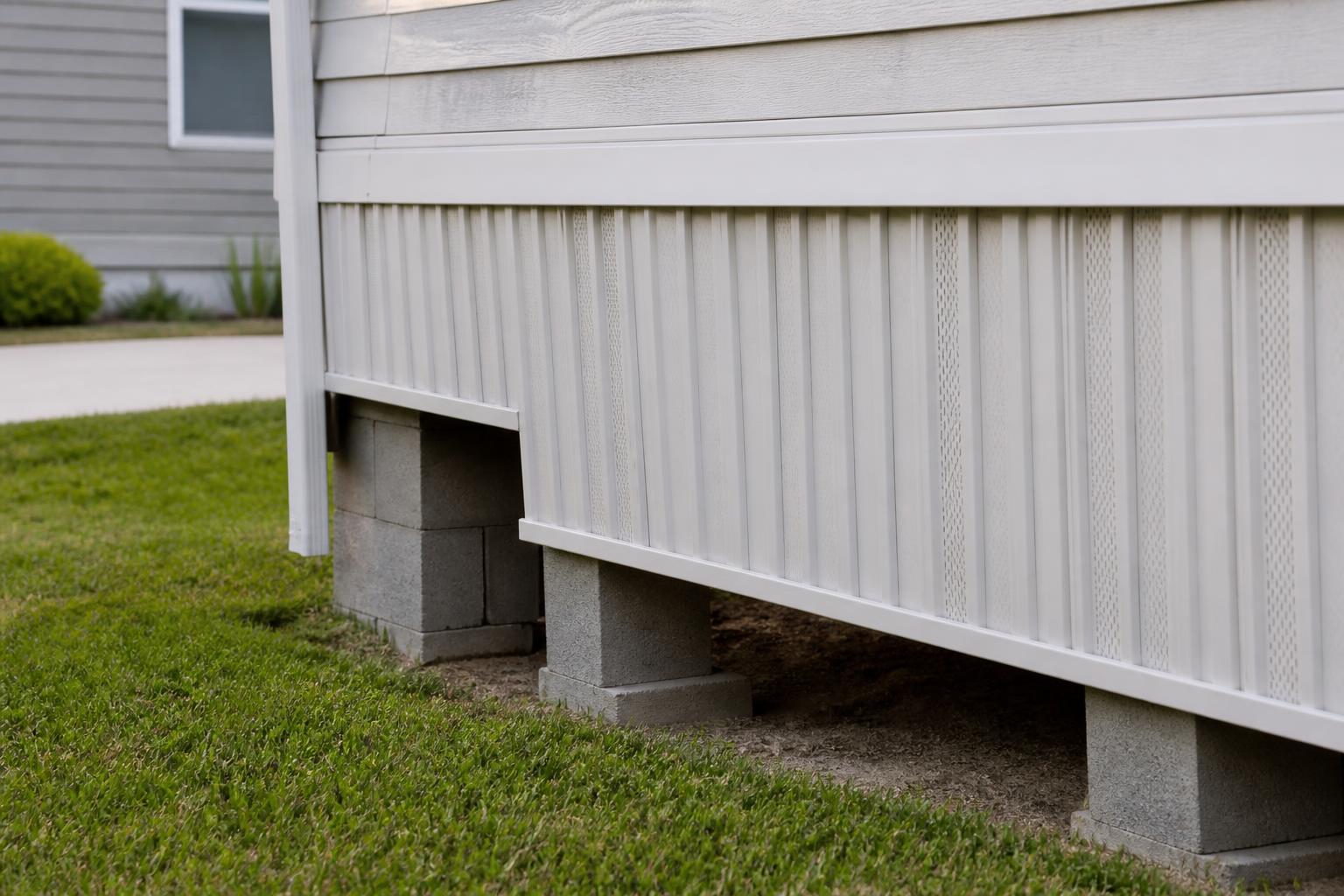
Mobile and manufactured homes sit on piers, blocks, or a perimeter foundation system rather than a continuous poured slab, which means ground movement can show up differently than it would on a site-built house. A home that is even slightly out of level can develop stuck doors, uneven flooring, or gaps at the skirting well before wall cracks become obvious. Because the support system is visible and inspectable underneath the home, it is also one of the easier things for a homeowner to keep an eye on between formal inspections.
Homes in areas with known local sinkhole activity, or on lots near retention ponds, canals, or recently developed land, are sometimes viewed differently in underwriting. That does not mean coverage is unavailable; it means the conversation with your agent about sinkhole loss coverage is worth having specifically, rather than assuming your situation is the same as a neighbor’s.
Signs Worth Having Checked
- New or widening cracks in piers, foundation blocks, or skirting
- A door or window that used to open and close easily and now sticks or will not latch
- A noticeably sloping or uneven floor in one area of the home
- A new depression, soft spot, or slumping area in the yard near the home
- Cracks in a nearby driveway, sidewalk, or pool deck that appear suddenly rather than over years
None of these signs automatically means sinkhole activity is involved. Plenty of ordinary settling, moisture, and construction issues look similar on the surface. That is exactly why a licensed structural or geotechnical evaluation, not a guess, is the right next step if you notice one or more of these signs.
How a Sinkhole Claim Generally Works

If you suspect sinkhole activity, insurers generally require a certified geotechnical or engineering investigation before a claim can be confirmed. That investigation typically involves soil testing, sometimes including borings around the affected area, to determine whether the cause is consistent with sinkhole activity as defined by Florida law, or whether it stems from something else entirely, such as plumbing leaks, erosion, or normal settlement. If the investigation confirms sinkhole activity and you carry sinkhole loss coverage, the policy generally addresses both the structural repair and, depending on your policy’s terms, stabilization of the ground itself. Timelines for this kind of claim tend to run longer than a typical wind or water claim, simply because the underlying engineering work takes time to do correctly.
Where To Verify Current Requirements
Because Florida’s sinkhole coverage requirements, forms, and underwriting practices are set by state law and by individual insurers, and they can change over time, the most reliable way to confirm exactly what applies to your policy is directly through your insurer or agent. The Florida Office of Insurance Regulation is the state agency that oversees the broader property insurance market and is a useful general resource for understanding how Florida’s system works. Treat this guide as a starting point for the right questions to ask, not a substitute for confirming your specific policy.
Frequently Asked Questions
Is sinkhole coverage automatically included with mobile home insurance in Florida?
Not entirely. Catastrophic ground cover collapse coverage is generally required to be included, but it applies only to a narrow, severe scenario. Broader sinkhole loss coverage is generally offered as an option you can accept or decline, so it is worth confirming which one, or both, your policy actually includes.
What is the difference between catastrophic ground cover collapse and sinkhole loss coverage?
Catastrophic ground cover collapse applies to an abrupt, visible ground collapse severe enough to make a home unsafe to occupy. Sinkhole loss coverage is broader and can apply to structural damage from sinkhole activity even without that kind of sudden, dramatic collapse.
Does normal foundation settling count as a sinkhole claim?
Generally no. Gradual settling that happens over the normal life of a home is typically treated differently than sudden, geology-driven ground movement. An engineering evaluation is usually what distinguishes the two.
How do I find out if my policy includes sinkhole loss coverage?
Check your policy’s declarations page for a sinkhole loss endorsement, or ask your agent directly. If you previously declined it, most Florida insurers allow you to request a quote to add it at a future renewal.
Talk To A Local Agent About Your Mobile Home
If you own a mobile or manufactured home in Southwest Florida and want help understanding whether your policy includes sinkhole loss coverage, or you want a quote to add it, call (239) 995-3515 or use our contact page to reach Bassine Insurance Agency LLC. We work with mobile and manufactured homeowners across North Fort Myers and the surrounding area and are glad to walk through your specific policy in one conversation.