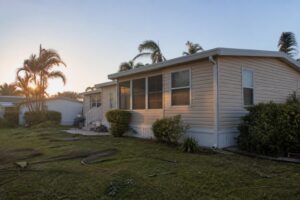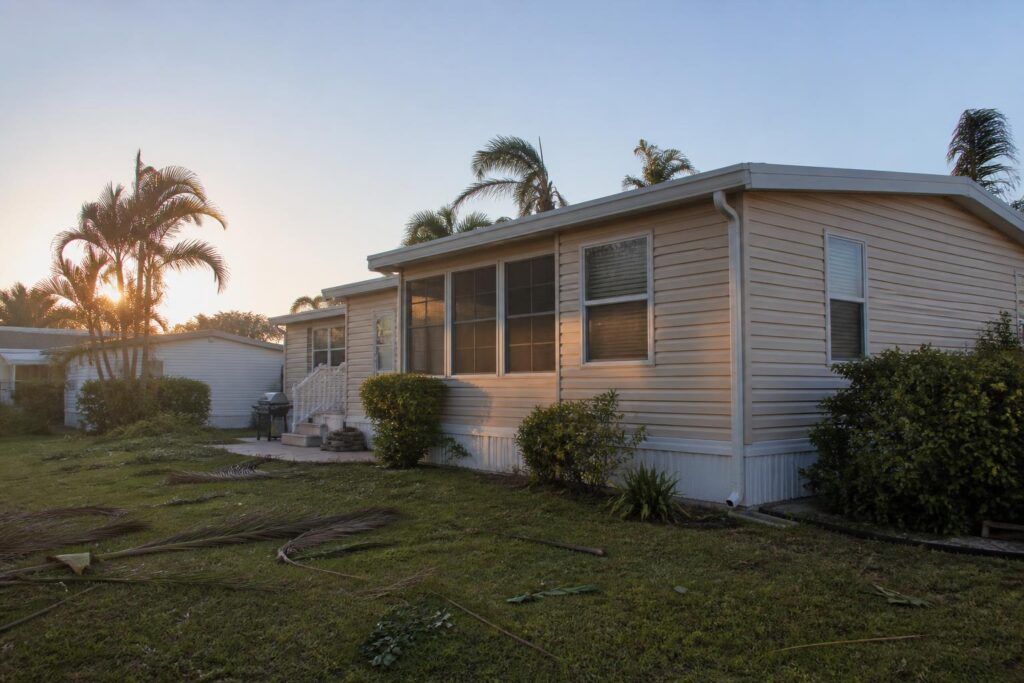
A hurricane or a strong summer storm rolls through, and once the wind and rain stop, the yard often looks worse than the home itself: downed tree limbs, torn skirting panels, shredded screen enclosure material, and debris scattered across the lot. Cleaning that up is not free, and it is a cost that surprises a lot of mobile and manufactured homeowners when they are already dealing with a covered loss.
Debris removal coverage is the part of a mobile home policy built specifically for that cleanup cost. Here is how it generally works, where it overlaps with tree removal, and what to expect if you need it after a storm.
What Debris Removal Coverage Generally Pays For
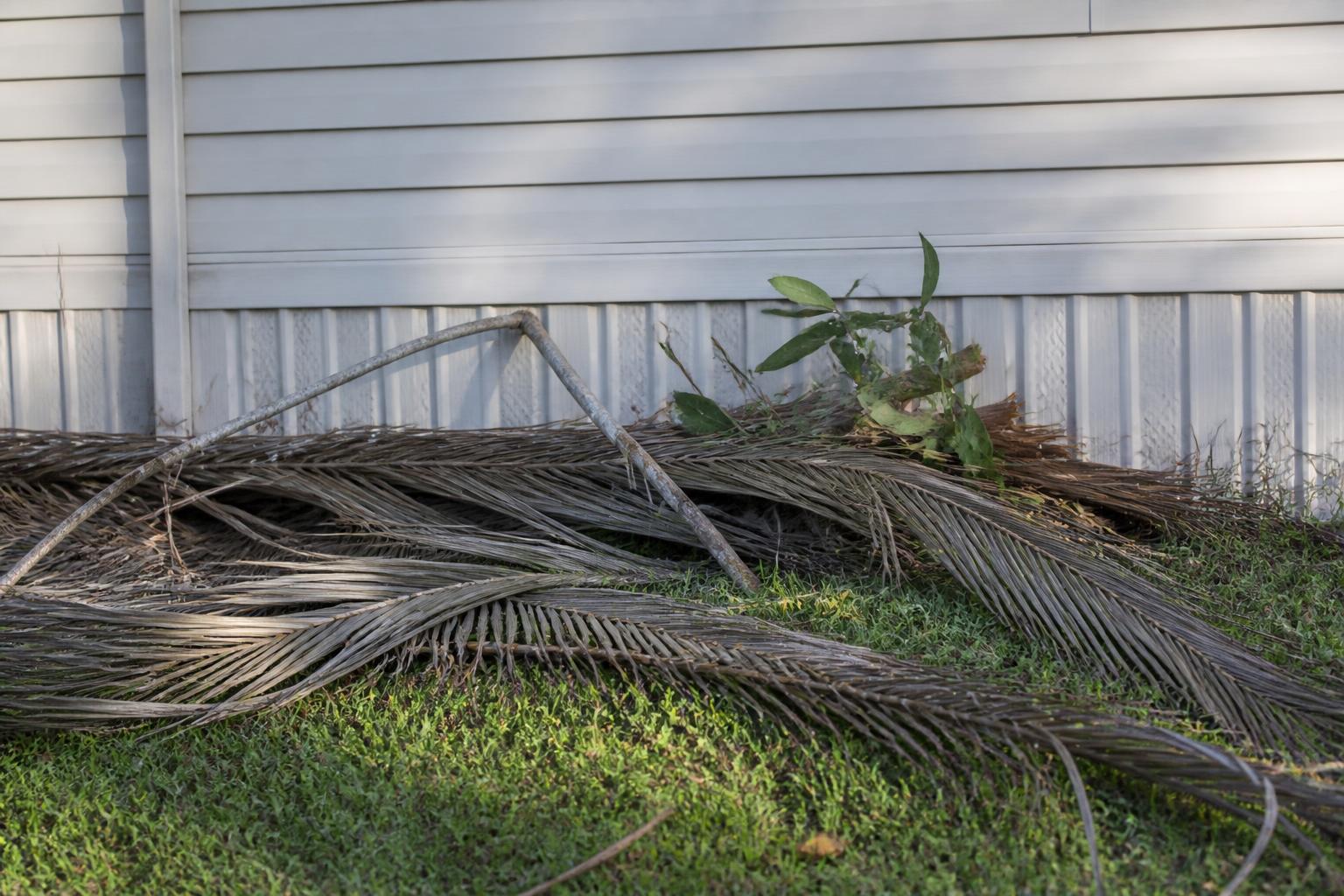
Debris removal coverage generally helps pay to clear away debris left behind by a covered loss, such as a windstorm, fire, or falling object. That typically includes:
- Broken tree limbs, downed trees, and storm debris scattered across the property after a covered wind event
- Damaged building materials, such as torn roofing, skirting, or siding, once they have separated from the home in a covered loss
- Debris that has to be cleared before repairs to the home itself can begin
The coverage exists to handle the cleanup that a covered event leaves behind, not to fund routine yard work or land clearing that has nothing to do with an actual claim.
How the Coverage Amount Typically Works
Debris removal is usually built as a percentage add-on to your dwelling coverage limit, commonly in the range of 5 to 10 percent depending on the carrier and policy form, rather than a flat standalone dollar amount. On many policies, if the debris removal expense combined with the cost to repair the covered damage would exceed your policy limits, some insurers add extra room specifically for debris removal so the cleanup cost does not eat into the money needed for repairs. The exact percentage, and whether that extra room applies, varies by carrier, so it is worth asking your agent what your specific policy provides rather than assuming a standard number.
Debris Removal vs. Tree Removal: An Important Distinction
These two get confused constantly, and the difference matters for what you can actually claim.
- Debris removal generally applies after a covered loss has already happened, clearing away the resulting debris as part of that claim.
- Tree removal coverage (sometimes a separate, smaller sublimit) can apply in a narrower situation: a tree falls due to a covered peril but does not damage an insured structure, yet still needs to be removed because it is blocking a driveway, damaging a fence, or resting on the property. Some policies include a modest per-occurrence limit for exactly this scenario.
A tree that falls in your yard during a storm but misses the home entirely is the classic example where homeowners assume they have no coverage at all, when in fact a smaller tree removal sublimit may still apply. It is worth asking about specifically rather than assuming the answer is no.
Why This Matters More for Mobile and Manufactured Homes
Mobile home lots in Florida often sit under mature tree canopy or alongside community common areas with landscaping that is not the homeowner’s direct responsibility to maintain, which means storm debris on a mobile home lot can come from multiple directions at once. Skirting, carports, and screen enclosures, which are common additions on manufactured homes, also tend to generate their own debris separate from the home’s main structure when they fail in high wind, and that debris still needs to be documented and cleared as part of the claim.
Steps That Protect a Debris Removal Claim
- Photograph and video everything before touching it. Document the debris field, the damaged structure, and the property generally before any cleanup begins.
- Keep receipts for cleanup costs, including hauling, dumpster rental, or a contractor hired specifically for debris removal.
- Do not do major independent cleanup before the adjuster sees the property unless the debris is blocking emergency access or creating an additional hazard; if you must clear a path for safety, document it first with photos.
- Report the claim promptly, and call us if you want a second set of eyes on what is and is not covered before or during the process. As an independent agency, we work for you, not the carrier.
Debris Removal After a Named Storm
After a hurricane or a widely felt named storm, debris removal claims tend to move in a wave alongside everyone else’s roof, fence, and skirting claims. Adjusters and cleanup contractors are often stretched thin across an entire region at the same time, which can extend the timeline compared with an isolated, single-property claim. That is not a reason to rush cleanup before it is documented; it is a reason to document thoroughly and report the claim as promptly as you reasonably can, so your file is in the queue early rather than waiting until the surrounding rush has already peaked.
It is also worth checking in with your agent before hurricane season each year, not just after a storm. Confirming your current debris removal percentage, whether a separate tree removal sublimit applies to your policy, and whether your dwelling coverage limit still reflects your home’s current rebuild cost all matter more once a storm has already passed. A short conversation in the spring is a lot less stressful than trying to sort out coverage questions while a downed tree is sitting in your yard.
What Is Generally Not Covered
Debris removal coverage generally does not extend to routine yard maintenance, tree trimming unrelated to a covered loss, or land clearing for a project you were planning anyway. It is tied to an actual covered event, not general property upkeep. If you are simply removing a diseased tree or clearing brush as a maintenance project, that cost typically falls outside the policy entirely.
Where To Verify Current Requirements
Because debris removal limits, sublimits, and exact policy language vary by insurer and can change from one policy form to the next, the most reliable way to confirm what your specific policy provides is directly through your insurer or agent. The Florida Office of Insurance Regulation is the state agency that oversees the broader property insurance market and is a useful general resource for understanding how Florida’s system works. Treat this guide as a starting point for the right questions to ask, not a substitute for confirming your own policy’s terms.
Frequently Asked Questions
Does debris removal coverage pay to remove a tree that did not damage my home?
Not usually under standard debris removal, but many policies include a separate, smaller tree removal sublimit for exactly this situation. Ask your agent whether your policy includes it and what the limit is.
Is debris removal a separate coverage I have to buy?
Generally no. It is typically built into a standard mobile home policy as a percentage of your dwelling coverage limit rather than a coverage you add separately, though the exact percentage and any extra room for large claims varies by carrier.
Does debris removal cover routine tree trimming or yard cleanup?
No. It generally applies only to debris left behind by a covered loss, not to routine maintenance, trimming, or land clearing unrelated to an actual claim.
What should I do with storm debris before the adjuster arrives?
Photograph and video it first. Avoid major cleanup beyond what is needed for safety or emergency access until the adjuster has had a chance to see the property, and keep any cleanup receipts you do incur.
Talk To A Local Agent About Your Mobile Home
If you own a mobile or manufactured home in Southwest Florida and want to understand what your policy’s debris removal coverage actually includes, call (239) 995-3515 or use our contact page to reach Bassine Insurance Agency LLC. We work with mobile and manufactured homeowners across North Fort Myers and the surrounding area and are glad to walk through your specific coverage questions in one conversation.