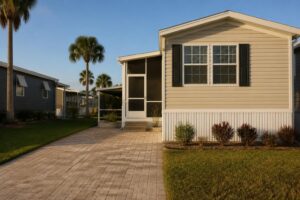
Protecting a mobile or manufactured home in Florida is not optional. Between hurricanes, strong wind, hail, lightning, break-ins, and everyday liability risks, one serious claim can put your savings and your home at risk. Insurance is the safety net that helps you repair, rebuild, or replace what you have worked hard to own.
Many owners compare only the bottom-line price and feel frustrated when they see very different mobile home insurance quotes in Florida for what seems like the same coverage. The policies are not always equal, and small differences in coverage or deductibles can have a big impact when there is a claim. Understanding what drives your rate is the first step to keeping strong protection affordable.
In this article, we will explain what makes mobile home coverage unique in Florida, what insurers look at when they price your policy, and practical ways to control costs without cutting the coverage you actually need. At Bassine Insurance Agency, we focus on manufactured and mobile home insurance across Florida, and we compare multiple carriers so you can see options side by side and feel more confident in your choice.
What Makes Mobile Home Insurance Different in Florida
Mobile and manufactured home insurance is designed to cover the structure of your home, attached structures like a porch or carport, the belongings you keep inside, additional living expenses if you cannot stay in the home after a covered loss, and your personal liability if someone is injured or their property is damaged.
Florida brings its own set of challenges. Coastal exposure, strong storms, and long hurricane seasons affect how policies are written and priced. Carriers pay close attention to wind-storm exposure, which includes hurricanes, tropical storms, and strong thunderstorm winds that can move or damage a manufactured home much more easily than a traditional site-built house.
Because of that, insurers look closely at your tie-down system, the age of the home, and whether it was built to newer construction standards. A sturdy foundation and modern tie-downs can help your home handle high winds better, which can help your rate. Homes that have been well maintained, with secure skirting and solid steps and landings, are generally seen as lower risk.
Another big difference is how your policy values the home itself. Some policies pay based on actual cash value, which subtracts depreciation for age and wear and tear. Others offer replacement cost, which aims to pay what it would cost to repair or replace the home with similar materials, subject to policy limits. Replacement cost usually costs more, but it can mean a much better claim payment after a serious loss, so it is important to understand which option your quotes include.
Key Factors That Shape Your Insurance Rate
Location is one of the strongest influences on price. Two similar homes can receive very different mobile home insurance quotes in Florida simply because they sit in different ZIP codes. Insurers look at distance from the coast or large bodies of water, whether the area is prone to flooding, the local wind patterns, and even neighborhood crime rates. A home closer to the coast or in a higher crime area is generally more expensive to insure.
The age, size, and construction of your home matter as well. Newer model years often benefit from updated building standards. Roof type, such as metal or shingle, siding material, and the way the home is anchored to the ground all factor into the premium. Upgrades like reinforced roofs, extra anchors, impact-resistant windows, storm shutters, and improved skirting can reduce the risk of damage in a storm and may help lower your rate over time.
Your coverage choices are another major driver. Higher dwelling limits, more personal property coverage, and higher liability limits increase the premium. At the same time, a very basic policy that trims away important protections might look cheaper but leave big gaps. It is a balance between cost and the level of protection that fits your situation.
Deductibles also play a big role. Most policies have an all-peril deductible for things like fire or theft, and a separate hurricane deductible that often uses a percentage of your dwelling limit. Raising either deductible can lower your premium, sometimes by a noticeable amount. The tradeoff is more money out of pocket when there is a claim, so it is important not to choose a deductible that would be hard to pay after a storm.
Insurers also consider your claims history and, where allowed, credit-based factors. Multiple prior claims, especially recent ones, can increase your rate or limit your options. The claim history tied to the property, not just the owner, can matter as well. Insurance scores, which can include credit-related information, may be used in pricing as permitted by state rules.
Smart Ways to Keep Coverage Affordable Without Cutting Corners
One of the smartest steps is to fine-tune your coverage so it actually matches your needs. That starts with a realistic estimate of what it would cost to repair or replace your mobile home, not just what you paid for it. Homes inside land-lease communities, on private land, or in age-restricted parks can all have different replacement considerations, so it is worth reviewing carefully instead of guessing.
If you need to trim costs, consider adjusting optional coverages first instead of slashing your core dwelling or liability protection. Many homeowners find that reviewing special coverage for high-value personal items or extras they do not really need can free up room in the budget while keeping the most important protections intact.
Choosing the right deductibles can also help. A good rule of thumb is to select an amount you could realistically pay out of pocket after a storm without putting yourself in a financial bind. For some people, a slightly higher all-peril or hurricane deductible brings premium savings that feel worthwhile. For others on a fixed income, a lower deductible may offer more peace of mind, even if it costs a bit more each month.
Loss prevention steps not only protect your home but can also support better long-term pricing. Examples include:
• Making sure tie-downs are secure and up to current standards
• Maintaining the roof and sealing around vents and seams
• Trimming trees away from the home and clearing loose items before storm season
• Adding storm shutters, reinforced doors, or impact-resistant windows
Some carriers may offer discounts for certain safety features or upgrades, so it pays to ask which improvements might qualify before you invest.
Finally, bundling and discounts can add up. When you work with one agency for your mobile home, auto, boat, or golf cart coverage, it can open up package pricing that is not available when everything is scattered with different companies. Common discounts can include being claims-free, using paperless documents, setting up automatic payments, or age and retiree discounts when available.
Working with a Florida Specialist for Better Quotes
Local expertise matters when you insure a mobile or manufactured home in Florida. Each community can have its own park rules, age restrictions, and requirements from the park owner or association. Lenders may also have specific coverage requirements when there is a mortgage. A Florida-based agency that focuses on this type of housing is better equipped to understand those details and help you avoid unpleasant surprises.
As an independent agency, we compare multiple insurers that write mobile home policies in the state. That means we can show you different options for coverage limits, deductibles, and endorsements instead of trying to fit you into one standard program. Our goal is to help you see how each choice affects both your protection and your price.
When you review mobile home insurance quotes in Florida, it helps to look beyond the total premium. Questions to ask include:
• Are the deductibles the same on each quote, especially the hurricane deductible?
• Is the home insured for actual cash value or replacement cost?
• What specific perils are covered or excluded?
• How much liability coverage is included, and is it enough for your situation?
Working with an agent who takes time to walk through each part of the policy can make a big difference. Understanding what is covered ahead of time makes it easier to handle a claim calmly and confidently.
Policies should not be a set-it-and-forget-it decision. We recommend reviewing your coverage at least once a year, and any time you make a major change like replacing the roof, adding a porch, moving the home, buying new high-value items, or changing how you use the property. Markets, rates, and carrier appetites change, so a periodic review and fresh set of quotes can uncover savings or better fitting coverage that were not available the last time you shopped.
Take the Next Step Toward Confident, Affordable Coverage
Your mobile home insurance rate is shaped by many factors, including where you live, the age and construction of your home, the coverage and deductibles you choose, and your claims history. The good news is that you have control over many of these pieces through smart coverage decisions, thoughtful upgrades, and regular policy reviews.
The goal is not just to find the cheapest policy, but to find real value, strong protection at a price that works for your budget. When you gather key details such as the year, make, and dimensions of your home, where it is located, and the coverage limits you feel comfortable with, it becomes much easier to compare options side by side and choose coverage that helps you feel secure through every storm season and sunny day in Florida.
Protect Your Florida Mobile Home With The Right Coverage Today
If you are ready to secure your home with coverage that actually fits your risks and budget, we are here to help at Bassine Insurance Mobile Home Insurance. Start by requesting your personalized mobile home insurance quotes in Florida so you can compare options with clarity and confidence. If you prefer to talk through your questions with a licensed agent, simply contact us and we will walk you through every step.
For more information, visit the Florida Office of Insurance Regulation.

Get a Free Quote Today
Need reliable mobile home insurance in Florida? Call Bassine Insurance at (239) 995-3515 for a free quote, or request a quote online.
Frequently Asked Questions
What does homeowners insurance cover in Florida?
Florida homeowners insurance typically covers the structure of your home, personal belongings, liability protection, and additional living expenses if your home is temporarily uninhabitable. However, flood and windstorm coverage often require separate policies in Florida.
Is flood insurance included in Florida homeowners insurance?
No, standard Florida homeowners insurance does not include flood coverage. Flood insurance must be purchased separately, typically through the National Flood Insurance Program (NFIP) or a private flood insurer. Given Florida’s flood risk, this additional coverage is highly recommended.
How can I reduce my homeowners insurance premium in Florida?
You can reduce your Florida homeowners insurance premium by installing storm shutters or impact-resistant windows, upgrading your roof, adding a security system, raising your deductible, and bundling with other policies. Contact Bassine Insurance Agency at (239) 995-3515 to explore your discount options.
What does mobile home insurance typically cover in Florida?
Mobile home insurance in Florida typically covers the structure itself, personal belongings, liability protection, and additional living expenses if your home becomes uninhabitable. Policies may also include coverage for attached structures like carports and porches. Contact Bassine Insurance Agency at (239) 995-3515 to review your specific coverage needs.
How much does mobile home insurance cost in Florida?
Mobile home insurance costs in Florida vary based on factors like the home’s age, location, construction type, and coverage limits. Premiums typically range from $700 to $3,000 per year. Homes in coastal areas or flood zones may cost more. Getting quotes from a specialized agency like Bassine Insurance helps you find the best rate.
Contact Bassine Insurance today to learn more about mobile home insurance quotes and protect what matters most.