

Sewer or drain backup is one of the least pleasant losses a homeowner can face, and it is also one of the most commonly misunderstood on an insurance policy. A toilet that overflows with wastewater, a floor drain that bubbles up, or a sink that fills from below can ruin flooring, cabinets, and belongings quickly. It is easy to assume that water damage is water damage, but insurers often draw a firm line between sudden plumbing leaks and water that comes back up through a drain.
This guide explains how backup claims are generally approached, why the answer so often depends on an endorsement, and what to review before something goes wrong.
Why Backup Is Treated Differently From a Leak
When a supply line bursts inside a wall, the water comes from the home’s own plumbing. That kind of sudden discharge is often handled under the main water damage provisions of a policy. Water that backs up through a sewer line, septic system, or drain originates outside the home’s plumbing fixtures, and many standard policy forms exclude it unless a specific endorsement adds protection.
For that reason, the phrase sewer backup coverage usually describes an optional add-on, sometimes called water backup or sump overflow coverage, rather than something automatically included. Whether it is offered, how it is worded, and what it costs vary by insurer, so it is worth asking directly.
Common Causes of Backups
- Blocked or damaged lateral lines, including roots entering older pipe or a collapsed section of line.
- Heavy rain overwhelming a municipal sewer or a private septic system, which is a particular concern during Florida’s wet season and after tropical storms.
- Clogs in the home’s own drain line, such as grease or foreign objects.
- Failure of a pump or lift station serving a park or community.
The source matters for two reasons. It affects which coverage may apply, and it can decide who is responsible for the repair, whether that is the homeowner, a park owner, or a utility.
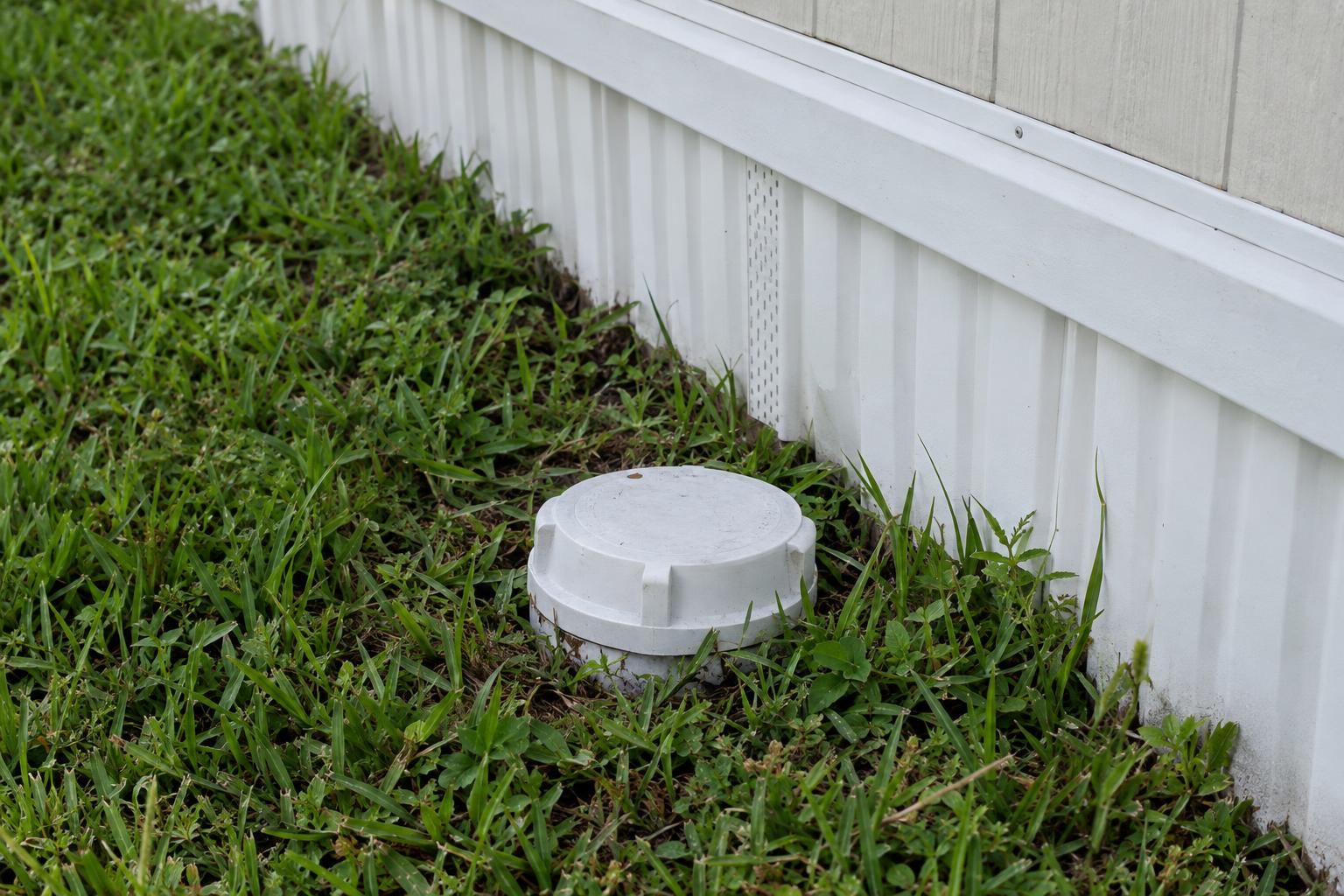
Mobile Home Parks and Shared Systems
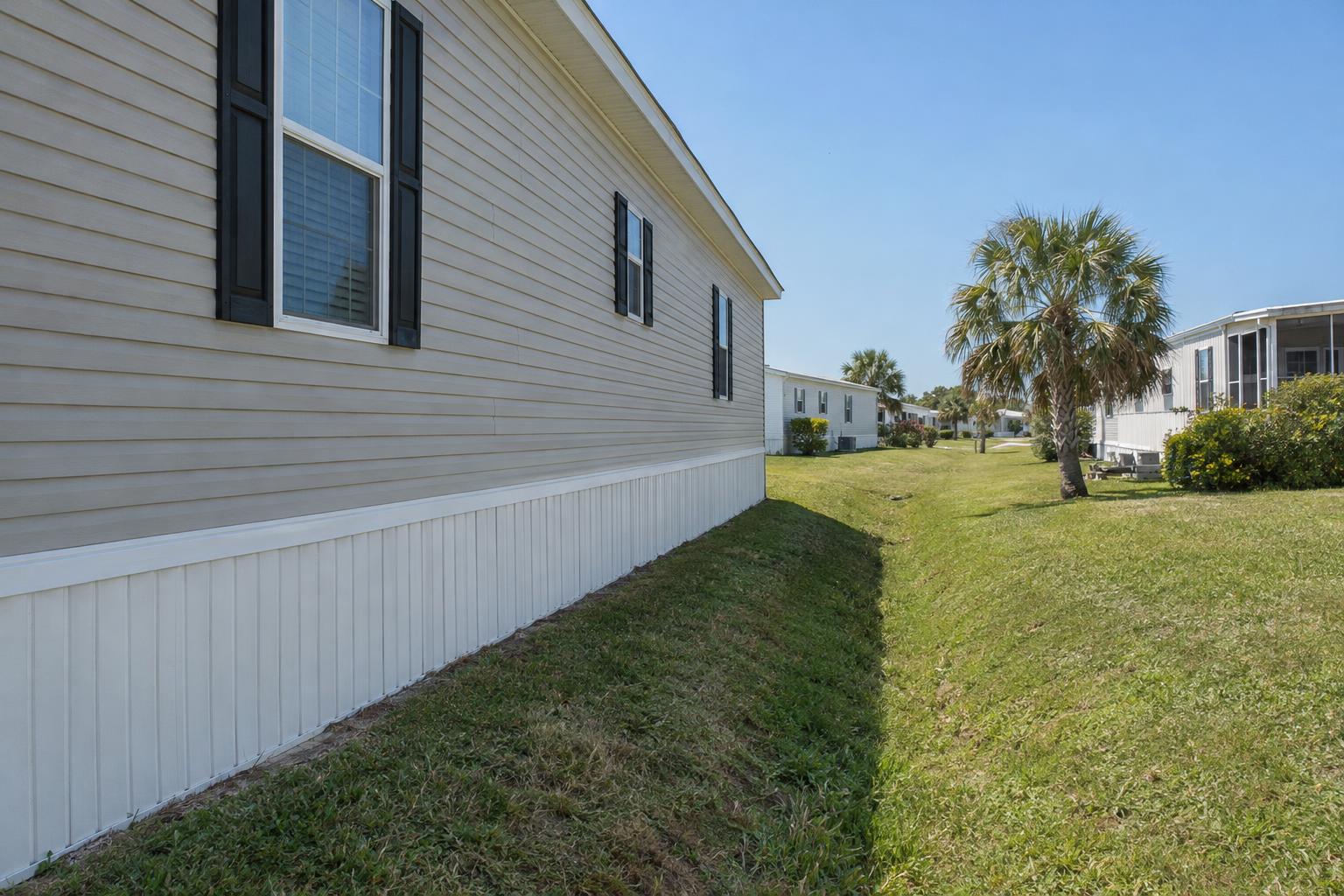
Many Florida mobile homes sit in communities where the main sewer line, a lift station, or a shared septic system belongs to the park rather than the resident. That can change the picture. If a backup originates in a shared line, the park owner may be responsible for the repair of that line, while the resident still deals with damage inside the home. Resident leases and park rules often spell out who maintains which part of the system, so it helps to read that document alongside the insurance policy.
If you own your home but rent the lot, ask your agent how the policy treats damage that starts in a system you do not control. The answer may involve the policy, the park’s own coverage, or both, and it is much easier to sort out before an emergency.
What an Endorsement Usually Addresses
When a water backup endorsement is available, it generally adds protection for damage caused by water that backs up through drains or sewers, or overflows from a sump. Typical points to compare include:
- The limit of the endorsement, which is often a fixed amount that is separate from the main dwelling limit.
- Whether the limit applies to the structure, to personal property, or to both.
- Any separate deductible that applies to backup claims.
- Whether the endorsement covers cleanup and sanitizing costs, or only repair and replacement.
- Whether backup caused by a flood or storm surge is excluded.
The last point matters in Florida. Rising floodwater is generally not a backup claim, and flood is typically covered, if at all, by a separate flood policy. Our guide to water damage and mobile home insurance explains how that boundary works.
Floors, Insulation, and Belongings
Mobile homes often have raised floors with insulation and a vapor barrier underneath. Contaminated water can reach those layers, and cleanup may involve removing flooring, drying subfloor materials, and replacing insulation. The scope of repair affects the size of the claim, which is why the policy limit and any endorsement limit deserve attention.
Belongings in the affected area, such as rugs, furniture, and stored items, may fall under the personal property portion of the policy. Whether they are included in a backup claim depends on the endorsement wording, so confirm it before assuming either way.
What to Do If a Backup Happens
- Treat the water as contaminated. Avoid contact, keep children and pets away, and wear protective gear if you must enter the area.
- Stop using plumbing fixtures that may add more water until the cause is found.
- Photograph and video the damage before any cleanup begins.
- Call a licensed plumber to identify the cause, and keep any written findings.
- Notify the park or landlord if the source may be a shared line.
- Report the claim promptly and ask how cleanup should be documented.
- Keep receipts for emergency services, repairs, and temporary lodging, if any.
Prompt cleanup matters for health and for limiting further damage, so do not wait on the paperwork to protect the home. Document first, then act, and share the records with your insurer.
Prevention Habits That Reduce the Odds
No habit eliminates the risk, but a few routine steps can lower the chance of a backup. Keep grease, wipes, and other non-flushable items out of drains. Know where your cleanout is and keep the area around it accessible. If you have a private septic system, follow the recommended pumping schedule and have it inspected when you buy a home or notice slow drains. During heavy rain, watch for gurgling fixtures or slow drains, which can be early signs that a line is struggling.
If you rent your lot, ask the park how shared lines and lift stations are maintained and how residents should report a problem. Keeping a copy of that information with your policy documents saves time if you ever need to explain where a backup began.
Questions Worth Asking Before You Need Coverage
A short conversation now can prevent a disappointing surprise later. Ask whether your current policy excludes backup, whether an endorsement is available for your home, what its limit would be, and whether a separate deductible applies. Ask how your park’s shared systems affect the answer. The Florida Office of Insurance Regulation is a useful general resource for understanding the state insurance market, but only your policy documents show what your own coverage includes.
Frequently Asked Questions
Is sewer backup covered by a standard mobile home policy?
Often it is not, unless an endorsement is added. Policy forms differ, so check the exclusions and ask whether a backup endorsement is available.
Is a backup the same as flood damage?
No. Water that rises from outside the home during a flood is generally handled separately from water that backs up through a drain. A flood policy follows its own terms.
Who pays if the backup starts in the park’s sewer line?
That depends on your lease, the park’s responsibilities, and your policy. The park may be responsible for its own line, while damage inside your home is a separate question to raise with your insurer.
Can I add backup coverage after a problem starts?
Insurers generally apply coverage to future losses, not losses already in progress. Review the option before a problem develops.
Talk With a Local Agent About Water Backup
If you own a mobile or manufactured home in Southwest Florida and want to know how your policy treats sewer and drain backup, call (239) 995-3515 or use our contact page to reach Bassine Insurance Agency LLC. We can review your declarations page with you and explain which questions to bring to your insurer, without promising how any claim will be decided. For the broader picture, see our overview of manufactured home insurance.