

A lightning strike nearby, a transformer problem on the street, or a power restoration after a hurricane can send a sudden jolt through the wiring of a Florida mobile home. The result is often a dead air conditioner control board, a fried television, a refrigerator that will not restart, or a router that never comes back. The practical question is which of those losses a mobile home insurance policy may address, and which fall to another source.
The short answer is that it depends on the cause of the surge, the wording of the policy, and whether the item damaged is part of the home or personal property. This guide walks through the questions worth asking before the next storm, not after the appliances are already ruined.
Surge Damage Starts With the Cause
Not every power surge is the same event in the eyes of an insurer. A surge caused by lightning striking the home or the utility line may be treated as a lightning loss, which many property policies list as a covered cause of loss. A surge that comes from the electrical grid, a utility switching event, or a failing appliance may be handled differently, and some policy forms limit or exclude electrical damage that is not caused by a named peril.
Because of that, the first thing an adjuster usually wants to establish is what actually happened. Was there a visible lightning event? Did neighbors lose power at the same moment? Did a breaker trip, or did something burn out inside the home? Those facts shape how the loss is classified, so they are worth noting while they are fresh.
Home Systems vs. Personal Belongings
Damage to a mobile home usually falls into two buckets, and a policy often treats them separately.
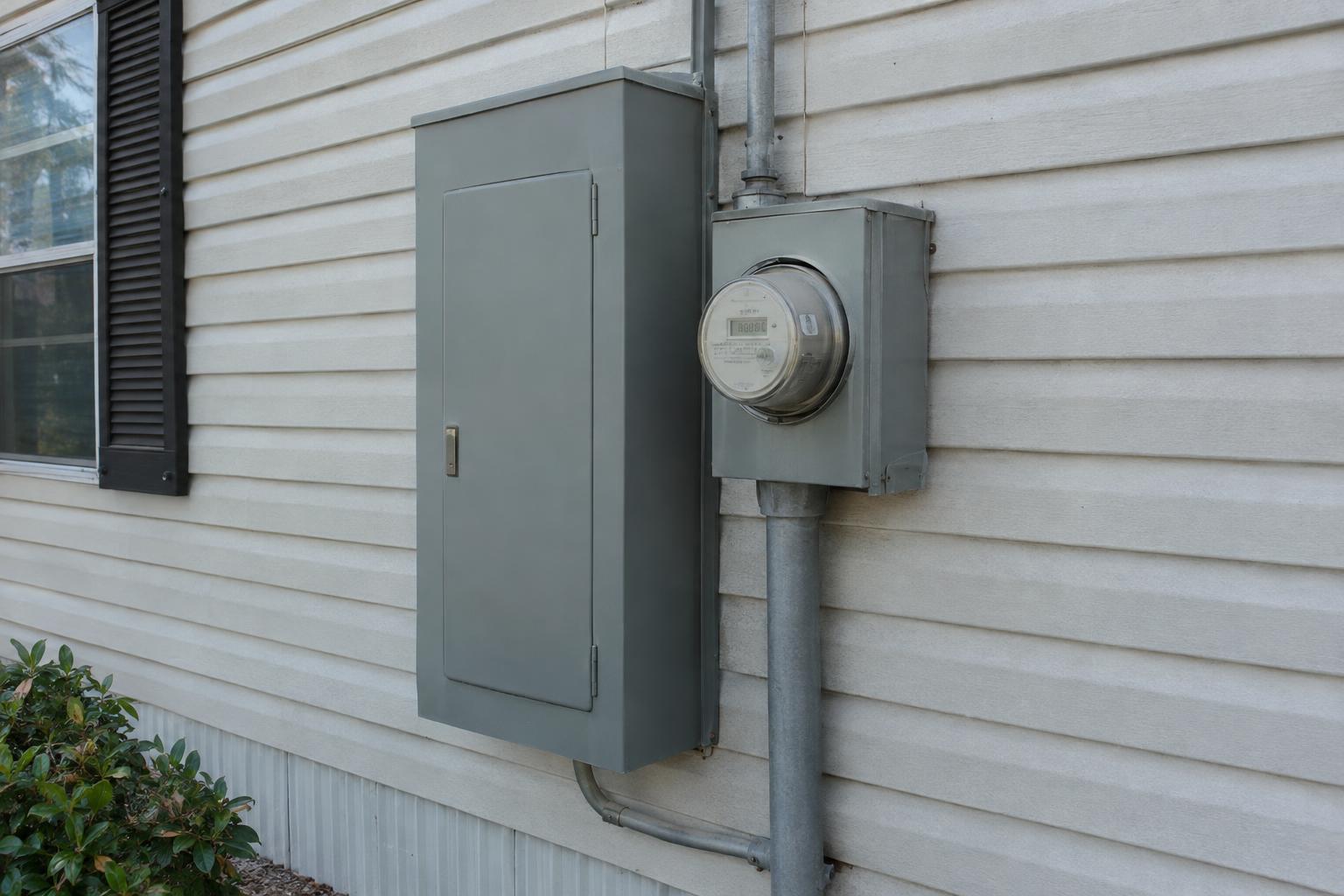
- The structure and built-in systems: wiring, the electrical panel, built-in lighting, a permanently installed air conditioning system, and similar equipment attached to the home generally fall under the dwelling portion of the policy.
- Personal property: televisions, computers, small appliances, and other movable items typically fall under the personal property portion, which has its own limit and may be settled differently from the structure.
Our guide to personal property coverage for Florida mobile homes explains how that second bucket works in more detail, including why the way an item is valued can change what a claim pays.
Why Deductibles and Limits Matter for Surge Claims
Surge damage often adds up across many smaller items rather than one large repair. A replaced control board, a television, and a refrigerator compressor can each be a manageable expense, yet together they may sit close to the policy deductible. If the total is below the deductible, filing a claim may not produce a payment, so it helps to know the number before deciding how to proceed.
It is also worth checking whether the policy places a sublimit on electrical or equipment damage, and whether older appliances are paid at actual cash value rather than replacement cost. Those details are in the declarations page and the policy form, not in a general guide, which is why a short review with an agent is more reliable than assuming.
Equipment Breakdown and Other Add-Ons
Some insurers offer an optional equipment breakdown endorsement that is designed for sudden failures of electrical and mechanical equipment. A separate service line endorsement, where offered, usually addresses underground utility lines rather than household appliances. Availability, wording, and eligibility vary by company and by the age and location of the home, so it should never be assumed to be part of a standard mobile home policy. If this protection matters to you, ask whether it is offered and exactly what it names.
Extended warranties and manufacturer warranties are a separate source of help for certain appliances. They have their own exclusions, and many exclude damage caused by outside electrical events, so they are a supplement to a policy review rather than a replacement for one.
Florida-Specific Risks Worth Planning For
Southwest Florida sees frequent summer thunderstorms and a long hurricane season. Depending on the age of the home, wiring and panel capacity can vary, so a surge can reach a lot of equipment at once. After a hurricane, the moment power returns is also a common time for surges to damage equipment that survived the storm itself.
Two habits help regardless of how a policy reads. First, unplug sensitive electronics before a major storm when it is safe to do so. Second, consider surge protection at the panel and at individual outlets for expensive equipment. A protective device does not guarantee against every surge, and it is not an insurance product, but it can reduce how often the question comes up at all.
Steps to Take After a Suspected Surge
- Stay safe first. If you smell burning, see scorch marks, or a breaker keeps tripping, stop using the circuit and call a licensed electrician before restoring power.
- Photograph everything. Capture damaged equipment, model and serial plates, scorch marks, and any visible storm damage nearby.
- Write down the timeline. Note when the storm or outage happened and when each item stopped working.
- Keep the damaged items. An adjuster or the insurer may want to inspect them before they are discarded.
- Save receipts and estimates from electricians and appliance technicians, including any written statement about the likely cause.
- Report the claim promptly so the insurer has the full timeline.
What a Policy Review Can Clear Up
If you are comparing policies or reviewing your own, bring a short list of questions: Does the policy treat lightning-related surges as a covered cause? Is there a separate limit for electrical damage? Are appliances paid at replacement cost or actual cash value? Is an equipment breakdown endorsement offered, and what does it list? The answers differ from one insurer to the next, so it is better to hear them in plain language before a claim than to learn them during one.
The Florida Office of Insurance Regulation is the state agency that oversees the insurance market, and its consumer resources are a useful general reference. Treat this article as a starting point for the right questions, not a statement of what any specific policy will pay.
Frequently Asked Questions
Does mobile home insurance cover damage from a lightning strike?
Many property policies list lightning as a covered cause of loss, which can include resulting damage to the home and its contents. The exact terms, limits, and exclusions depend on your policy, so confirm the wording.
Is a power surge from the utility covered the same way?
Not necessarily. Some policies treat surges that do not come from a named peril differently or limit electrical damage. Ask how your policy handles surges that start on the utility side.
Will a claim for one damaged appliance be worth filing?
That depends on the cost compared with your deductible and on how the appliance would be valued. Reviewing the numbers before filing helps you decide.
Do surge protectors replace insurance?
No. A surge protector may reduce risk for connected equipment, but it does not take the place of a policy and it does not prevent every surge.
Talk With a Local Agent About Your Coverage
If you own a mobile or manufactured home in Southwest Florida and want to understand how your policy handles lightning and electrical damage, call (239) 995-3515 or use our contact page to reach Bassine Insurance Agency LLC. We can walk through your declarations page and the questions above in a single conversation, with no promise about how any claim will turn out. You can also read our overview of mobile home insurance for the broader picture.