

Mold in a Florida mobile home can follow a roof leak, plumbing failure, storm opening, appliance leak, flood, condensation, or long-running humidity problem. Whether mobile home insurance may address any part of the damage depends on what caused the moisture, how suddenly it happened, what the policy excludes, and whether the contract places a separate limit on fungi, wet rot, remediation, or testing.
There is no safe universal answer to “is mold covered?” A policy may respond to certain damage from a covered water event while limiting or excluding mold-related costs. It may also exclude the event that introduced the water. Start with the cause and the timeline, then read the form and endorsements.
Insurance Reviews the Cause Before the Mold
Property claims generally begin with the event that produced direct physical damage. A sudden accidental discharge from an insured plumbing system may be treated differently from rain entering through a deteriorated roof over many months. Floodwater rising from the ground is typically handled under a separate flood policy, if one exists, rather than ordinary mobile home coverage.
The same visible mold can therefore lead to different claim evaluations. An adjuster may examine the failed component, water path, staining, maintenance history, weather timing, prior repairs, and how quickly the homeowner acted. Photographs and a clear chronology are more useful than guessing which species is present.
Sudden Water and Long-Term Moisture Are Different
A sudden leak is an identifiable event at a particular time. Long-term seepage, repeated leakage, condensation, high humidity, ground moisture, or unrepaired exterior openings develop over time. Many policies distinguish between those patterns and contain maintenance, wear, deterioration, or repeated-seepage exclusions.
Even when the initial water damage is covered, the policy may cap mold investigation, removal, treatment, tear-out, or additional living expense related to fungi. Some limits apply across the entire policy period. Others depend on whether mold resulted from a covered cause. Only the actual form can answer which wording applies.
Florida Humidity Does Not Establish Coverage
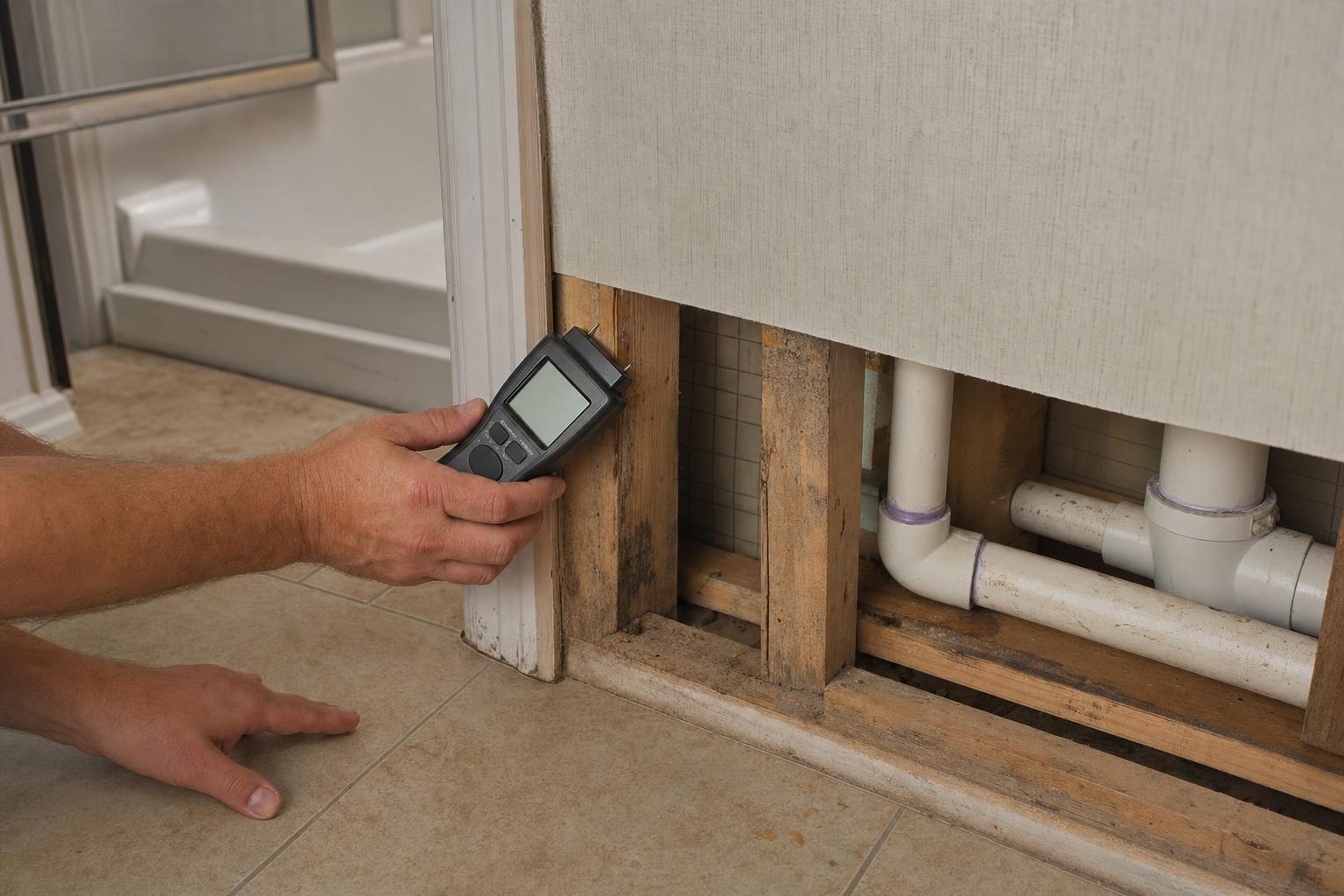
Warm humid air can condense on cool surfaces, especially where air conditioning, ductwork, insulation, skirting ventilation, or air sealing is not working as intended. Florida conditions make moisture control important, but climate alone does not prove that a loss is insured. Insurance is not a substitute for ventilation, routine inspection, prompt repair, and safe humidity management.
The U.S. Environmental Protection Agency’s guide to mold and moisture emphasizes controlling moisture and drying wet materials quickly. Its health and cleanup guidance does not interpret an insurance policy, but it helps explain why prompt action matters.
Roof Leaks Require a Cause Analysis
If wind or another covered event creates a sudden roof opening and rain enters, the resulting evaluation may differ from water entering through worn seals, failed coating, corrosion, or deferred maintenance. The roof material, age, installation, prior condition, and storm evidence all matter. A policy might treat damage to the roof, interior water damage, and mold remediation under different provisions.
Do not climb onto a wet or damaged mobile home roof. From a safe location, photograph missing material, impact marks, ceiling stains, and the surrounding area. Arrange a qualified inspection and preserve any emergency-repair invoice. Our article on mobile home roof damage explains why the source of damage matters.
Plumbing and Appliance Leaks Need Prompt Action
Shut off the local fixture or main water supply if it is safe and you know how. Move undamaged property away from the wet area, use reasonable emergency drying measures, and report a potentially covered loss promptly. Do not energize wet electrical equipment or enter an area with a sagging ceiling, sewage, or structural instability.
Keep the failed hose, fitting, or part if it can be preserved safely. Record when the leak was discovered, where water travelled, and what emergency work was performed. Review our guide to water and plumbing damage for additional distinctions between sudden escape of water, backups, flood, and maintenance problems.
Flood and Storm Surge Need Separate Attention
Standard mobile home policies commonly exclude flood, including storm surge and surface water. Flood coverage is purchased separately and follows its own definitions, limits, and claims process. Mold or mildew resulting from floodwater may also be subject to the flood policy’s terms and the homeowner’s ability to take reasonable mitigation steps.
If water source is uncertain after a storm, document high-water lines, openings, roof damage, and the order in which conditions occurred. Avoid making a final cause statement before qualified inspections. More than one source can affect the same room, and each policy may need notice.
What Mold-Related Expenses Might Be Reviewed?
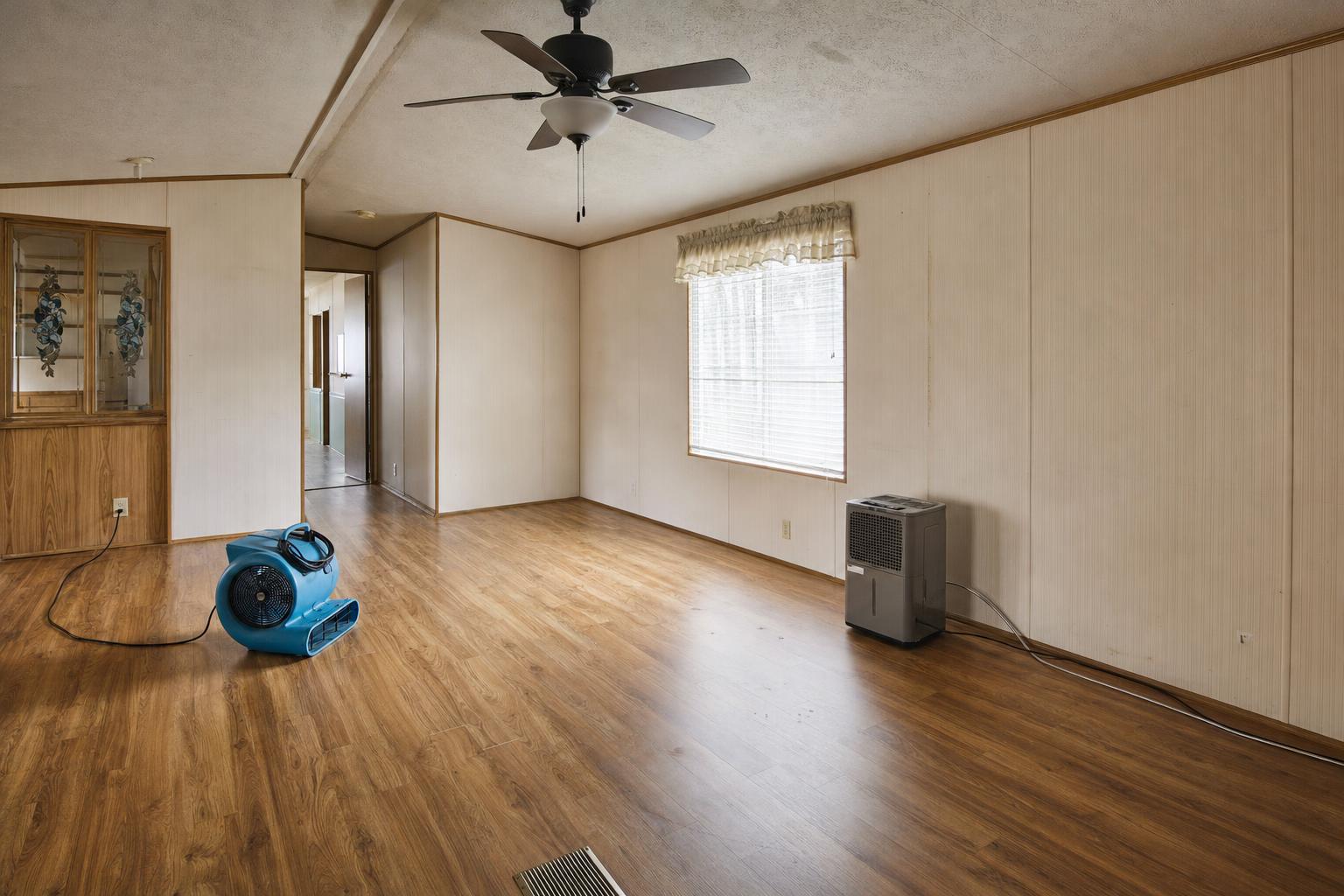
A claim can involve several expenses: locating the moisture source, opening building materials, drying, cleaning, removing damaged material, testing, containment, rebuilding, personal-property damage, and temporary relocation. A policy may treat each differently. A remediation recommendation or contractor invoice does not by itself establish that every line item is covered.
Ask whether the policy has a fungi or mold endorsement, a sublimit, testing requirements, approved-vendor provisions, or notice duties. Ask how additional living expense works if the home cannot be occupied and whether that benefit depends on a covered loss. Never rely on a verbal description when the endorsement can be provided.
Document Without Spreading Contamination
Take overview and close photographs before removing material, but avoid disturbing a large affected area. Do not paint over growth or apply chemicals that could complicate inspection. For extensive contamination, sewage, significant health concerns, or damage inside walls and HVAC components, seek qualified professional guidance.
Create a timeline with the first sign of water, discovery of visible growth, weather events, calls, inspections, and emergency measures. Save receipts and estimates. If property must be discarded for safety, ask the insurer about documentation first when practical, and photograph identifying details without exposing yourself to unsafe material.
Prevention and Coverage Review Work Together
Inspect roof penetrations, plumbing connections, water-heater pans, supply hoses, windows, exterior sealants, skirting, and the underside of the home as appropriate. Keep gutters and drainage paths clear, use bathroom and kitchen ventilation, service air conditioning equipment, and respond to musty odours or staining early. These steps reduce damage but cannot guarantee a mold-free home.
At renewal, ask a licensed agent to point out water, seepage, flood, mold, fungi, wet-rot, ordinance, and loss-of-use provisions. Bassine’s mobile home insurance and manufactured home insurance pages provide a starting point for the broader coverage discussion.
Frequently Asked Questions
Is mold from a leaking pipe covered?
It may depend on whether the leak was sudden, accidental, covered, and reported promptly, plus any mold exclusion or sublimit. Long-term leakage may be treated differently.
Does mobile home insurance cover mold after a hurricane?
The answer depends on how water entered and which cause produced the damage. Wind-created openings, flood, storm surge, and pre-existing leakage can fall under different terms or policies.
Will insurance pay for mold testing?
Testing may be limited, excluded, or included only when tied to a covered loss and handled under policy procedures. Confirm authorization and limits before ordering non-emergency work.
Should I clean mold before an adjuster sees it?
Take reasonable steps to prevent further damage and protect health, but document conditions first when safe and contact the insurer promptly. Large or hazardous areas call for professional advice.
For a policy-specific review of mold and water-damage provisions, contact Bassine Insurance Agency. A licensed agent can explain available forms and limits; only the insurer’s claim review can determine whether a particular loss is covered.