
Learn what to check after a tree falls on a Florida mobile home, including damage, removal, deductibles, neighbor questions, and claim documentation.
Continue reading
Learn what to check after a tree falls on a Florida mobile home, including damage, removal, deductibles, neighbor questions, and claim documentation.
Continue reading
Sewer or drain backup is one of the least pleasant losses a homeowner can face, and it is also one of the most commonly misunderstood on an insurance policy. A toilet that overflows with wastewater, a floor drain that bubbles up, or a sink that fills from below can ruin flooring, cabinets, and belongings quickly. It is easy to assume that water damage is water damage, but insurers often draw a firm line between sudden plumbing leaks and water that comes back up through a drain.
This guide explains how backup claims are generally approached, why the answer so often depends on an endorsement, and what to review before something goes wrong.
When a supply line bursts inside a wall, the water comes from the home’s own plumbing. That kind of sudden discharge is often handled under the main water damage provisions of a policy. Water that backs up through a sewer line, septic system, or drain originates outside the home’s plumbing fixtures, and many standard policy forms exclude it unless a specific endorsement adds protection.
For that reason, the phrase sewer backup coverage usually describes an optional add-on, sometimes called water backup or sump overflow coverage, rather than something automatically included. Whether it is offered, how it is worded, and what it costs vary by insurer, so it is worth asking directly.
The source matters for two reasons. It affects which coverage may apply, and it can decide who is responsible for the repair, whether that is the homeowner, a park owner, or a utility.
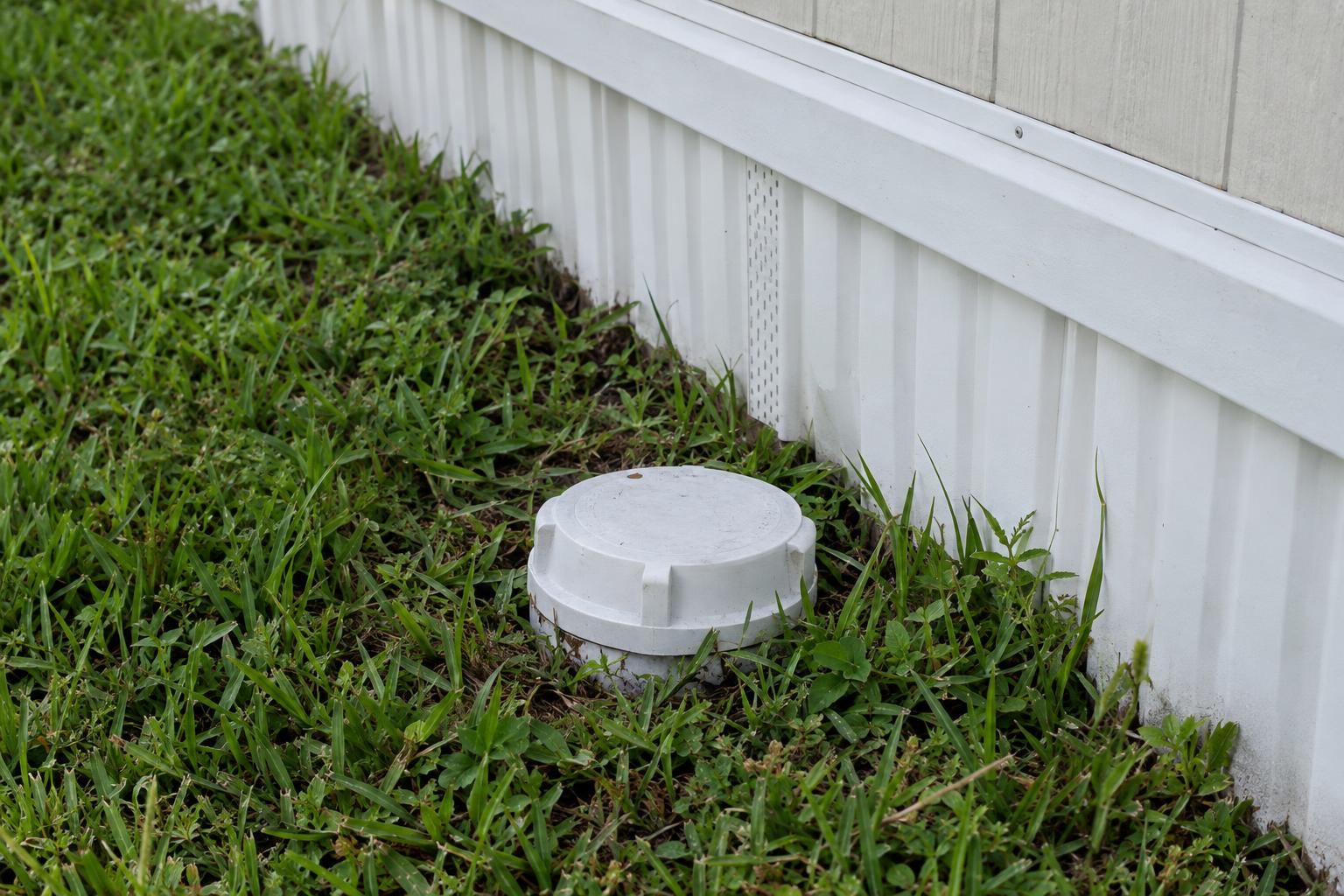
Many Florida mobile homes sit in communities where the main sewer line, a lift station, or a shared septic system belongs to the park rather than the resident. That can change the picture. If a backup originates in a shared line, the park owner may be responsible for the repair of that line, while the resident still deals with damage inside the home. Resident leases and park rules often spell out who maintains which part of the system, so it helps to read that document alongside the insurance policy.
If you own your home but rent the lot, ask your agent how the policy treats damage that starts in a system you do not control. The answer may involve the policy, the park’s own coverage, or both, and it is much easier to sort out before an emergency.
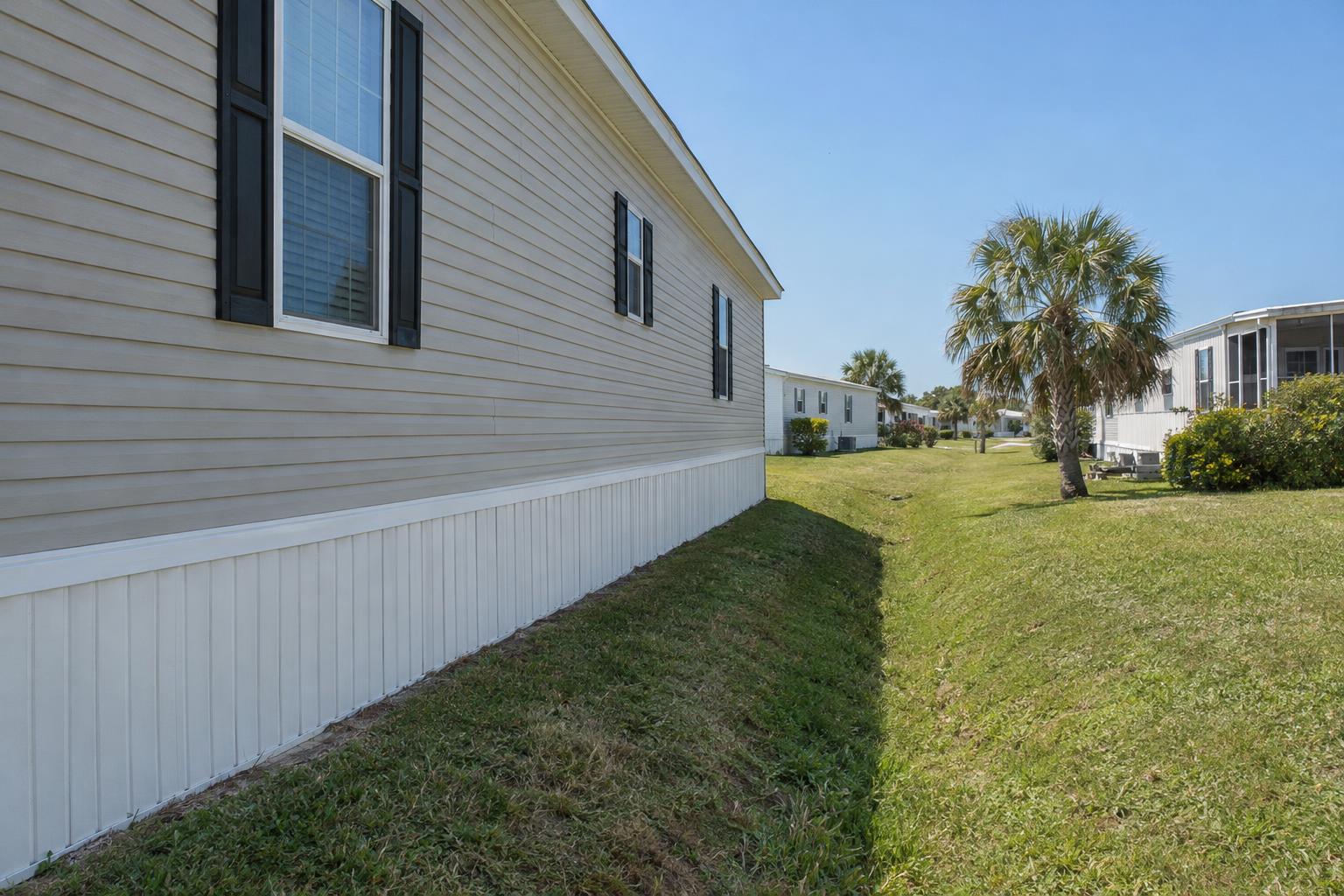
When a water backup endorsement is available, it generally adds protection for damage caused by water that backs up through drains or sewers, or overflows from a sump. Typical points to compare include:
The last point matters in Florida. Rising floodwater is generally not a backup claim, and flood is typically covered, if at all, by a separate flood policy. Our guide to water damage and mobile home insurance explains how that boundary works.
Mobile homes often have raised floors with insulation and a vapor barrier underneath. Contaminated water can reach those layers, and cleanup may involve removing flooring, drying subfloor materials, and replacing insulation. The scope of repair affects the size of the claim, which is why the policy limit and any endorsement limit deserve attention.
Belongings in the affected area, such as rugs, furniture, and stored items, may fall under the personal property portion of the policy. Whether they are included in a backup claim depends on the endorsement wording, so confirm it before assuming either way.
Prompt cleanup matters for health and for limiting further damage, so do not wait on the paperwork to protect the home. Document first, then act, and share the records with your insurer.
No habit eliminates the risk, but a few routine steps can lower the chance of a backup. Keep grease, wipes, and other non-flushable items out of drains. Know where your cleanout is and keep the area around it accessible. If you have a private septic system, follow the recommended pumping schedule and have it inspected when you buy a home or notice slow drains. During heavy rain, watch for gurgling fixtures or slow drains, which can be early signs that a line is struggling.
If you rent your lot, ask the park how shared lines and lift stations are maintained and how residents should report a problem. Keeping a copy of that information with your policy documents saves time if you ever need to explain where a backup began.
A short conversation now can prevent a disappointing surprise later. Ask whether your current policy excludes backup, whether an endorsement is available for your home, what its limit would be, and whether a separate deductible applies. Ask how your park’s shared systems affect the answer. The Florida Office of Insurance Regulation is a useful general resource for understanding the state insurance market, but only your policy documents show what your own coverage includes.
Often it is not, unless an endorsement is added. Policy forms differ, so check the exclusions and ask whether a backup endorsement is available.
No. Water that rises from outside the home during a flood is generally handled separately from water that backs up through a drain. A flood policy follows its own terms.
That depends on your lease, the park’s responsibilities, and your policy. The park may be responsible for its own line, while damage inside your home is a separate question to raise with your insurer.
Insurers generally apply coverage to future losses, not losses already in progress. Review the option before a problem develops.
If you own a mobile or manufactured home in Southwest Florida and want to know how your policy treats sewer and drain backup, call (239) 995-3515 or use our contact page to reach Bassine Insurance Agency LLC. We can review your declarations page with you and explain which questions to bring to your insurer, without promising how any claim will be decided. For the broader picture, see our overview of manufactured home insurance.

A lightning strike nearby, a transformer problem on the street, or a power restoration after a hurricane can send a sudden jolt through the wiring of a Florida mobile home. The result is often a dead air conditioner control board, a fried television, a refrigerator that will not restart, or a router that never comes back. The practical question is which of those losses a mobile home insurance policy may address, and which fall to another source.
The short answer is that it depends on the cause of the surge, the wording of the policy, and whether the item damaged is part of the home or personal property. This guide walks through the questions worth asking before the next storm, not after the appliances are already ruined.
Not every power surge is the same event in the eyes of an insurer. A surge caused by lightning striking the home or the utility line may be treated as a lightning loss, which many property policies list as a covered cause of loss. A surge that comes from the electrical grid, a utility switching event, or a failing appliance may be handled differently, and some policy forms limit or exclude electrical damage that is not caused by a named peril.
Because of that, the first thing an adjuster usually wants to establish is what actually happened. Was there a visible lightning event? Did neighbors lose power at the same moment? Did a breaker trip, or did something burn out inside the home? Those facts shape how the loss is classified, so they are worth noting while they are fresh.
Damage to a mobile home usually falls into two buckets, and a policy often treats them separately.
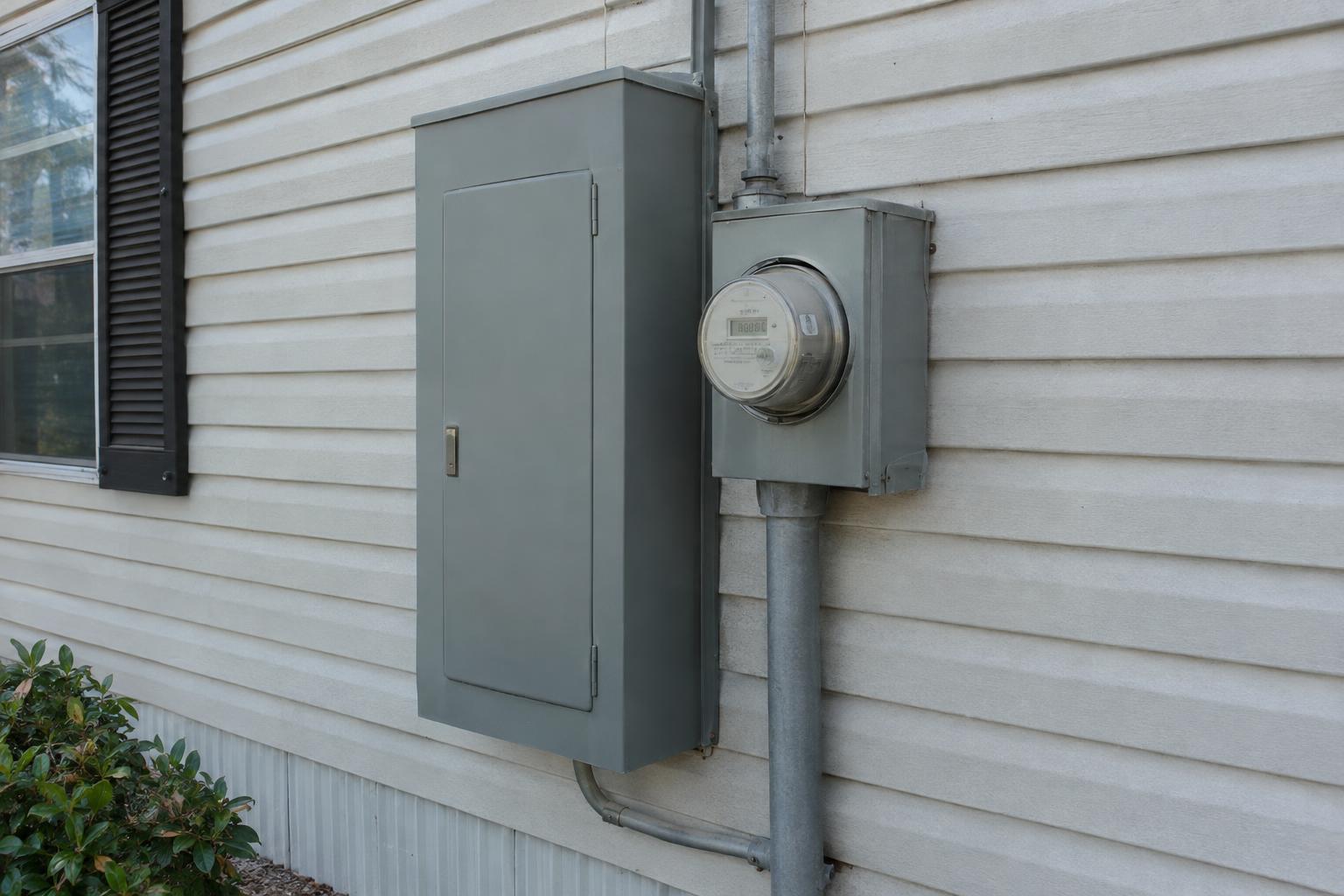
Our guide to personal property coverage for Florida mobile homes explains how that second bucket works in more detail, including why the way an item is valued can change what a claim pays.
Surge damage often adds up across many smaller items rather than one large repair. A replaced control board, a television, and a refrigerator compressor can each be a manageable expense, yet together they may sit close to the policy deductible. If the total is below the deductible, filing a claim may not produce a payment, so it helps to know the number before deciding how to proceed.
It is also worth checking whether the policy places a sublimit on electrical or equipment damage, and whether older appliances are paid at actual cash value rather than replacement cost. Those details are in the declarations page and the policy form, not in a general guide, which is why a short review with an agent is more reliable than assuming.
Some insurers offer an optional equipment breakdown endorsement that is designed for sudden failures of electrical and mechanical equipment. A separate service line endorsement, where offered, usually addresses underground utility lines rather than household appliances. Availability, wording, and eligibility vary by company and by the age and location of the home, so it should never be assumed to be part of a standard mobile home policy. If this protection matters to you, ask whether it is offered and exactly what it names.
Extended warranties and manufacturer warranties are a separate source of help for certain appliances. They have their own exclusions, and many exclude damage caused by outside electrical events, so they are a supplement to a policy review rather than a replacement for one.
Southwest Florida sees frequent summer thunderstorms and a long hurricane season. Depending on the age of the home, wiring and panel capacity can vary, so a surge can reach a lot of equipment at once. After a hurricane, the moment power returns is also a common time for surges to damage equipment that survived the storm itself.
Two habits help regardless of how a policy reads. First, unplug sensitive electronics before a major storm when it is safe to do so. Second, consider surge protection at the panel and at individual outlets for expensive equipment. A protective device does not guarantee against every surge, and it is not an insurance product, but it can reduce how often the question comes up at all.
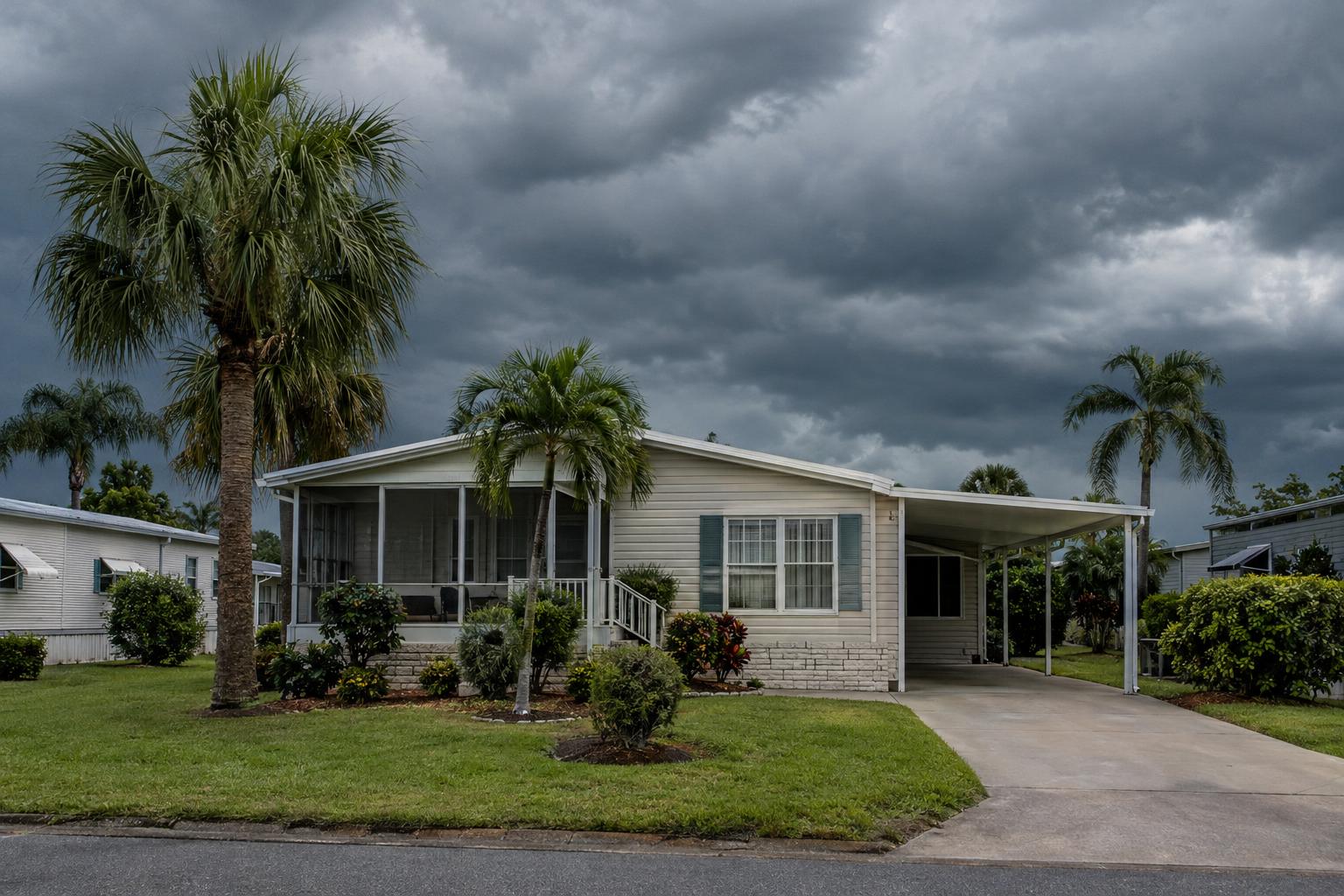
If you are comparing policies or reviewing your own, bring a short list of questions: Does the policy treat lightning-related surges as a covered cause? Is there a separate limit for electrical damage? Are appliances paid at replacement cost or actual cash value? Is an equipment breakdown endorsement offered, and what does it list? The answers differ from one insurer to the next, so it is better to hear them in plain language before a claim than to learn them during one.
The Florida Office of Insurance Regulation is the state agency that oversees the insurance market, and its consumer resources are a useful general reference. Treat this article as a starting point for the right questions, not a statement of what any specific policy will pay.
Many property policies list lightning as a covered cause of loss, which can include resulting damage to the home and its contents. The exact terms, limits, and exclusions depend on your policy, so confirm the wording.
Not necessarily. Some policies treat surges that do not come from a named peril differently or limit electrical damage. Ask how your policy handles surges that start on the utility side.
That depends on the cost compared with your deductible and on how the appliance would be valued. Reviewing the numbers before filing helps you decide.
No. A surge protector may reduce risk for connected equipment, but it does not take the place of a policy and it does not prevent every surge.
If you own a mobile or manufactured home in Southwest Florida and want to understand how your policy handles lightning and electrical damage, call (239) 995-3515 or use our contact page to reach Bassine Insurance Agency LLC. We can walk through your declarations page and the questions above in a single conversation, with no promise about how any claim will turn out. You can also read our overview of mobile home insurance for the broader picture.

Mold in a Florida mobile home can follow a roof leak, plumbing failure, storm opening, appliance leak, flood, condensation, or long-running humidity problem. Whether mobile home insurance may address any part of the damage depends on what caused the moisture, how suddenly it happened, what the policy excludes, and whether the contract places a separate limit on fungi, wet rot, remediation, or testing.
There is no safe universal answer to “is mold covered?” A policy may respond to certain damage from a covered water event while limiting or excluding mold-related costs. It may also exclude the event that introduced the water. Start with the cause and the timeline, then read the form and endorsements.
Property claims generally begin with the event that produced direct physical damage. A sudden accidental discharge from an insured plumbing system may be treated differently from rain entering through a deteriorated roof over many months. Floodwater rising from the ground is typically handled under a separate flood policy, if one exists, rather than ordinary mobile home coverage.
The same visible mold can therefore lead to different claim evaluations. An adjuster may examine the failed component, water path, staining, maintenance history, weather timing, prior repairs, and how quickly the homeowner acted. Photographs and a clear chronology are more useful than guessing which species is present.
A sudden leak is an identifiable event at a particular time. Long-term seepage, repeated leakage, condensation, high humidity, ground moisture, or unrepaired exterior openings develop over time. Many policies distinguish between those patterns and contain maintenance, wear, deterioration, or repeated-seepage exclusions.
Even when the initial water damage is covered, the policy may cap mold investigation, removal, treatment, tear-out, or additional living expense related to fungi. Some limits apply across the entire policy period. Others depend on whether mold resulted from a covered cause. Only the actual form can answer which wording applies.
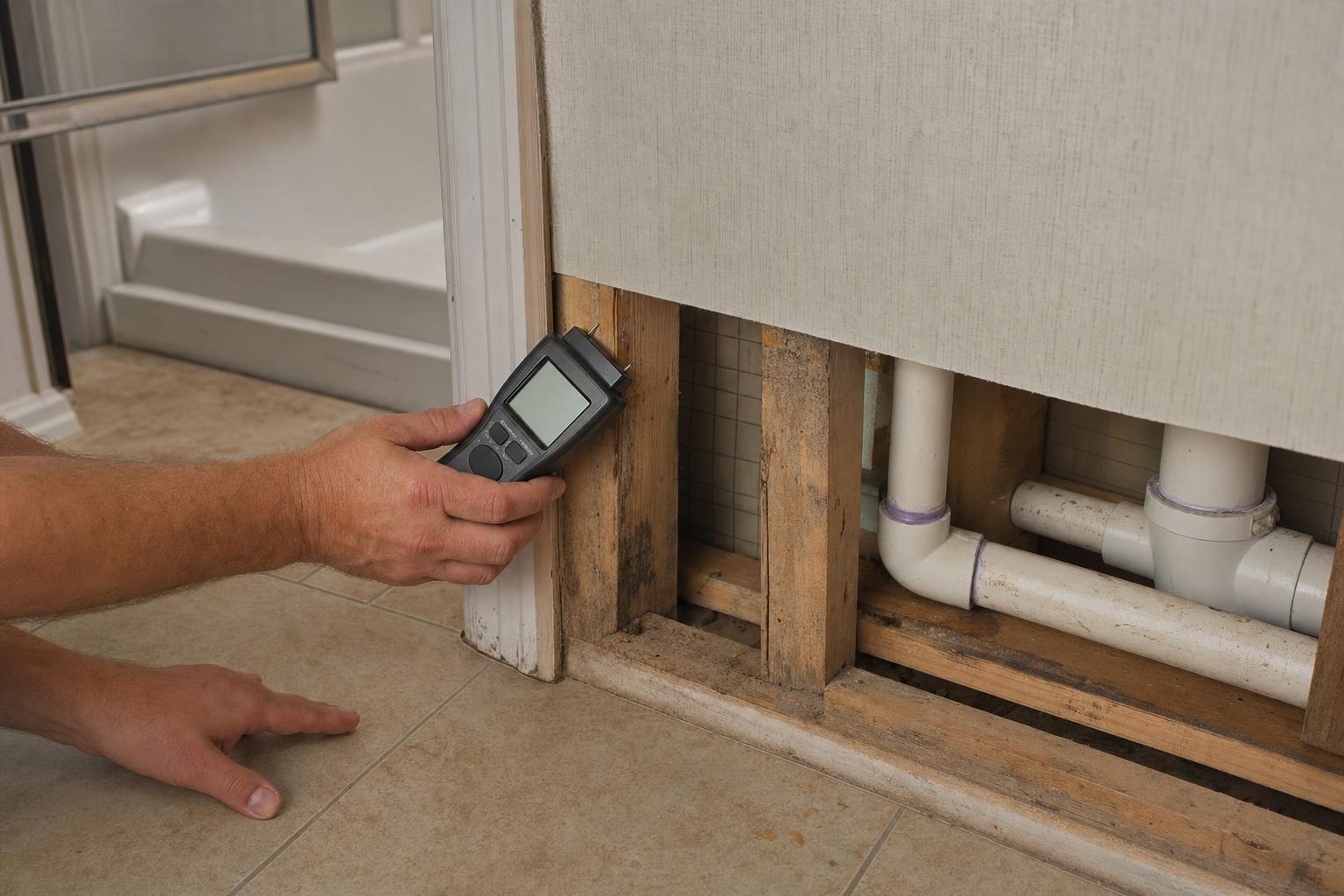
Warm humid air can condense on cool surfaces, especially where air conditioning, ductwork, insulation, skirting ventilation, or air sealing is not working as intended. Florida conditions make moisture control important, but climate alone does not prove that a loss is insured. Insurance is not a substitute for ventilation, routine inspection, prompt repair, and safe humidity management.
The U.S. Environmental Protection Agency’s guide to mold and moisture emphasizes controlling moisture and drying wet materials quickly. Its health and cleanup guidance does not interpret an insurance policy, but it helps explain why prompt action matters.
If wind or another covered event creates a sudden roof opening and rain enters, the resulting evaluation may differ from water entering through worn seals, failed coating, corrosion, or deferred maintenance. The roof material, age, installation, prior condition, and storm evidence all matter. A policy might treat damage to the roof, interior water damage, and mold remediation under different provisions.
Do not climb onto a wet or damaged mobile home roof. From a safe location, photograph missing material, impact marks, ceiling stains, and the surrounding area. Arrange a qualified inspection and preserve any emergency-repair invoice. Our article on mobile home roof damage explains why the source of damage matters.
Shut off the local fixture or main water supply if it is safe and you know how. Move undamaged property away from the wet area, use reasonable emergency drying measures, and report a potentially covered loss promptly. Do not energize wet electrical equipment or enter an area with a sagging ceiling, sewage, or structural instability.
Keep the failed hose, fitting, or part if it can be preserved safely. Record when the leak was discovered, where water travelled, and what emergency work was performed. Review our guide to water and plumbing damage for additional distinctions between sudden escape of water, backups, flood, and maintenance problems.
Standard mobile home policies commonly exclude flood, including storm surge and surface water. Flood coverage is purchased separately and follows its own definitions, limits, and claims process. Mold or mildew resulting from floodwater may also be subject to the flood policy’s terms and the homeowner’s ability to take reasonable mitigation steps.
If water source is uncertain after a storm, document high-water lines, openings, roof damage, and the order in which conditions occurred. Avoid making a final cause statement before qualified inspections. More than one source can affect the same room, and each policy may need notice.
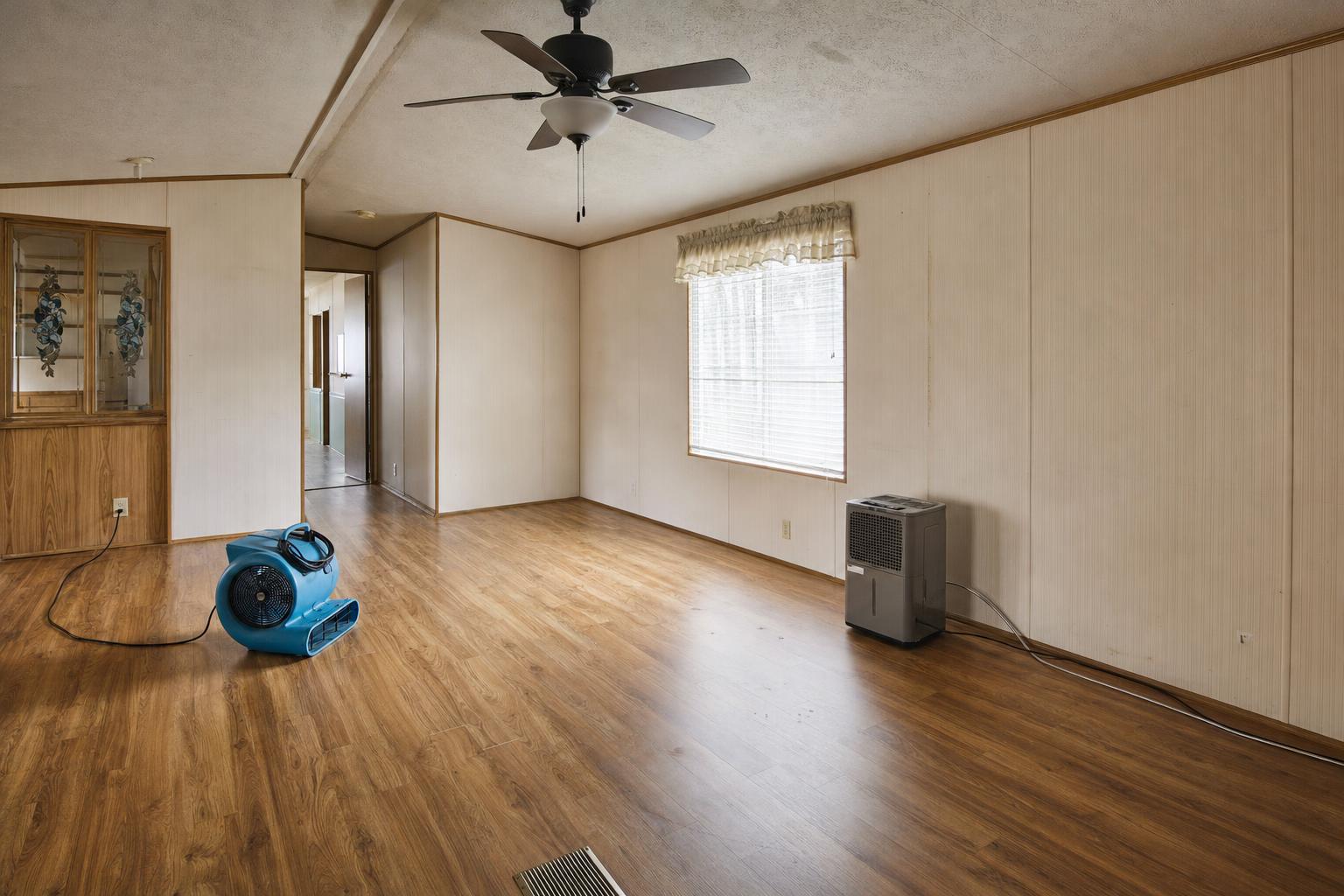
A claim can involve several expenses: locating the moisture source, opening building materials, drying, cleaning, removing damaged material, testing, containment, rebuilding, personal-property damage, and temporary relocation. A policy may treat each differently. A remediation recommendation or contractor invoice does not by itself establish that every line item is covered.
Ask whether the policy has a fungi or mold endorsement, a sublimit, testing requirements, approved-vendor provisions, or notice duties. Ask how additional living expense works if the home cannot be occupied and whether that benefit depends on a covered loss. Never rely on a verbal description when the endorsement can be provided.
Take overview and close photographs before removing material, but avoid disturbing a large affected area. Do not paint over growth or apply chemicals that could complicate inspection. For extensive contamination, sewage, significant health concerns, or damage inside walls and HVAC components, seek qualified professional guidance.
Create a timeline with the first sign of water, discovery of visible growth, weather events, calls, inspections, and emergency measures. Save receipts and estimates. If property must be discarded for safety, ask the insurer about documentation first when practical, and photograph identifying details without exposing yourself to unsafe material.
Inspect roof penetrations, plumbing connections, water-heater pans, supply hoses, windows, exterior sealants, skirting, and the underside of the home as appropriate. Keep gutters and drainage paths clear, use bathroom and kitchen ventilation, service air conditioning equipment, and respond to musty odours or staining early. These steps reduce damage but cannot guarantee a mold-free home.
At renewal, ask a licensed agent to point out water, seepage, flood, mold, fungi, wet-rot, ordinance, and loss-of-use provisions. Bassine’s mobile home insurance and manufactured home insurance pages provide a starting point for the broader coverage discussion.
It may depend on whether the leak was sudden, accidental, covered, and reported promptly, plus any mold exclusion or sublimit. Long-term leakage may be treated differently.
The answer depends on how water entered and which cause produced the damage. Wind-created openings, flood, storm surge, and pre-existing leakage can fall under different terms or policies.
Testing may be limited, excluded, or included only when tied to a covered loss and handled under policy procedures. Confirm authorization and limits before ordering non-emergency work.
Take reasonable steps to prevent further damage and protect health, but document conditions first when safe and contact the insurer promptly. Large or hazardous areas call for professional advice.
For a policy-specific review of mold and water-damage provisions, contact Bassine Insurance Agency. A licensed agent can explain available forms and limits; only the insurer’s claim review can determine whether a particular loss is covered.