

Repairing or rebuilding a mobile or manufactured home after a covered loss can involve more than replacing what was damaged. Current building, installation, electrical, wind, floodplain, or community requirements may call for additional work that was not part of the older home. Ordinance or law coverage is the part of a property policy that may help with certain added costs caused by enforcing a current code or ordinance.
The name sounds technical, but the practical question is simple: if a covered loss damages the home, would the policy address only like-for-like repairs, or could it also address eligible code-required upgrades? The answer depends on the policy form, endorsements, limits, cause of loss, and how local officials treat the project. Coverage should never be assumed from the phrase alone.
Why Code Costs Can Appear After a Loss
A home may have complied with the rules in effect when it was installed. Years later, a permit for substantial repair or replacement may bring parts of the project under newer requirements. Those requirements can affect tie-downs, electrical equipment, stairs, accessibility, energy performance, elevation, wind resistance, or the way an addition connects to the home.
The damaged material and the code-required work are not always the same expense. For example, a storm may damage one section, while a building official requires related work elsewhere before the permit can close. Standard property coverage often focuses on direct physical damage from a covered cause. Ordinance or law provisions address a different category of expense, subject to the exact contract.
Three Types of Expense Commonly Discussed
Policy wording varies, but ordinance or law protection is often described in three broad parts. One may concern the undamaged portion of a structure when an authority requires demolition. Another may concern the cost to demolish and remove that undamaged portion. A third may concern the increased construction cost required to complete eligible repairs under current rules.
These descriptions are a reading guide, not a statement that a particular mobile home policy includes all three. Some forms combine them, use different names, limit them separately, or exclude certain structures. A declaration page may show only a percentage or dollar limit, so the endorsement and definitions still need review.
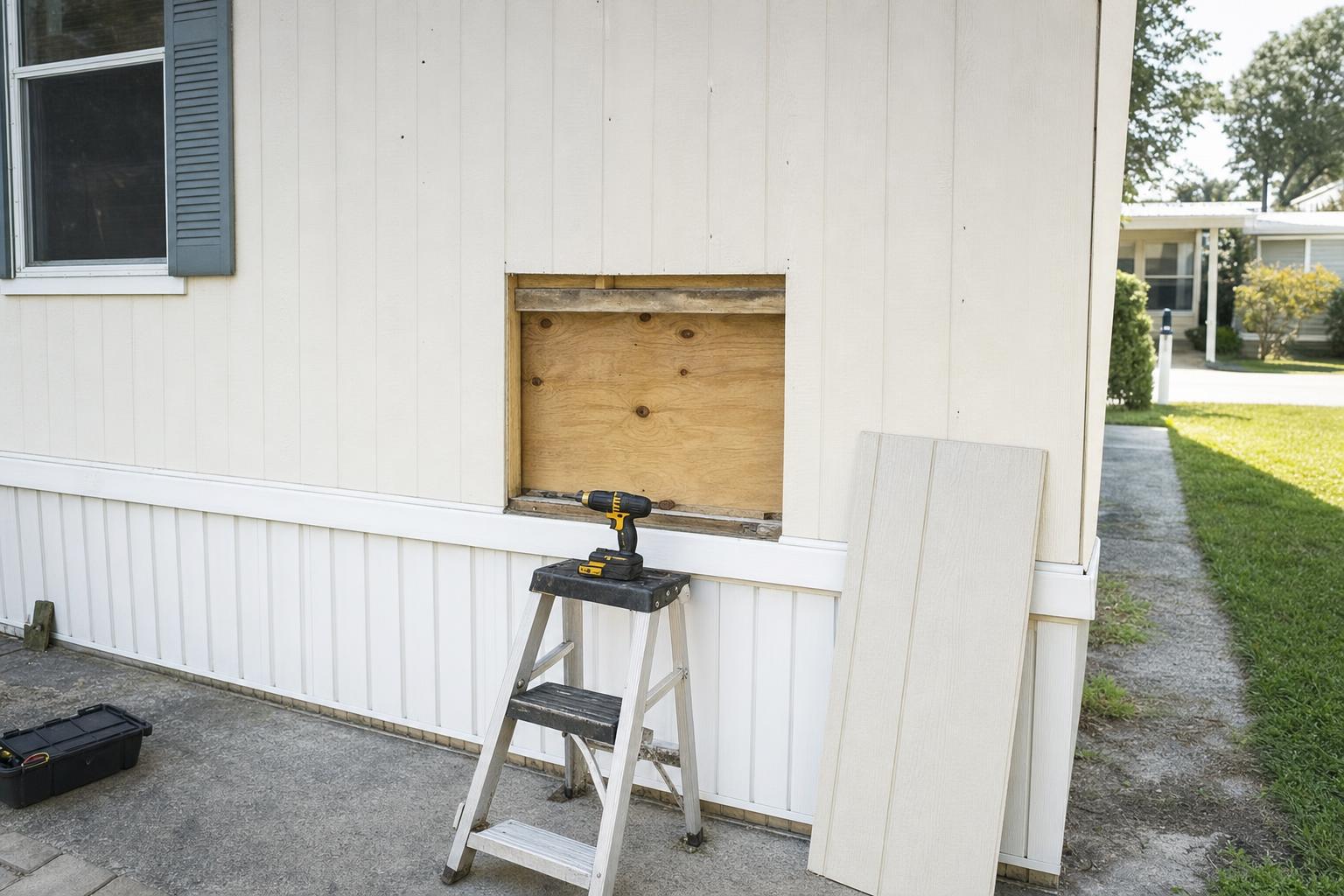
Mobile Homes Add Installation and Ownership Questions
Manufactured housing can involve federal construction standards, Florida installation rules, local permitting, park requirements, and separately built features. The home itself, an attached screen room, carport, porch, utility shed, and foundation or tie-down system may not all be treated the same way by the policy or the permitting authority.
Ownership also matters. A resident may own the home but lease the lot, while the park owns utilities or shared improvements. Before a loss, identify who owns each structure and who is responsible for code compliance. That information helps an agent understand what property needs to be considered and helps avoid treating a park-owned item as part of the resident’s home.
A Covered Loss Still Has to Trigger the Claim
Ordinance or law coverage generally does not turn an excluded event, maintenance problem, or voluntary remodel into a covered loss. The underlying damage usually must result from a cause covered by the policy, and enforcement of a code or ordinance must create the additional eligible cost. A homeowner who chooses an upgrade beyond what officials require may be responsible for the difference.
Flood presents a separate issue. A mobile home policy may exclude flood, while a flood policy follows its own contract and rules. Requirements tied to substantial damage in a floodplain can be significant. Ask which policy, if any, would respond before assuming that a homeowners endorsement and a flood policy work the same way.
Limits and Valuation Can Change the Outcome
Check whether the ordinance or law limit is a flat amount, a percentage, part of another property limit, or an additional amount. Also ask whether a deductible applies and whether payments depend on completing the work. Replacement-cost and actual-cash-value provisions can affect other parts of the claim even when a separate code expense is involved.
A low limit can leave a gap when demolition, engineering, permitting, and required upgrades accumulate. A higher limit may cost more and still will not cover every expense. The useful comparison is the contract language and limit against the home’s age, construction, location, attachments, and realistic rebuilding constraints.
What to Ask an Insurance Agent
Bring the declarations page and endorsements to the conversation. Ask whether ordinance or law coverage is included, which property it applies to, the limit for each part, and whether attached structures are handled differently. Ask how demolition, debris removal, permitting, professional fees, and code upgrades interact rather than assuming one provision pays all of them.
Describe any additions and updates accurately. A rebuilt porch, enclosed room, roof-over system, shed, carport, or electrical upgrade can change the questions an agent needs to ask. Bassine’s guides to mobile home insurance and manufactured home insurance explain the broader policy context for Florida owners.
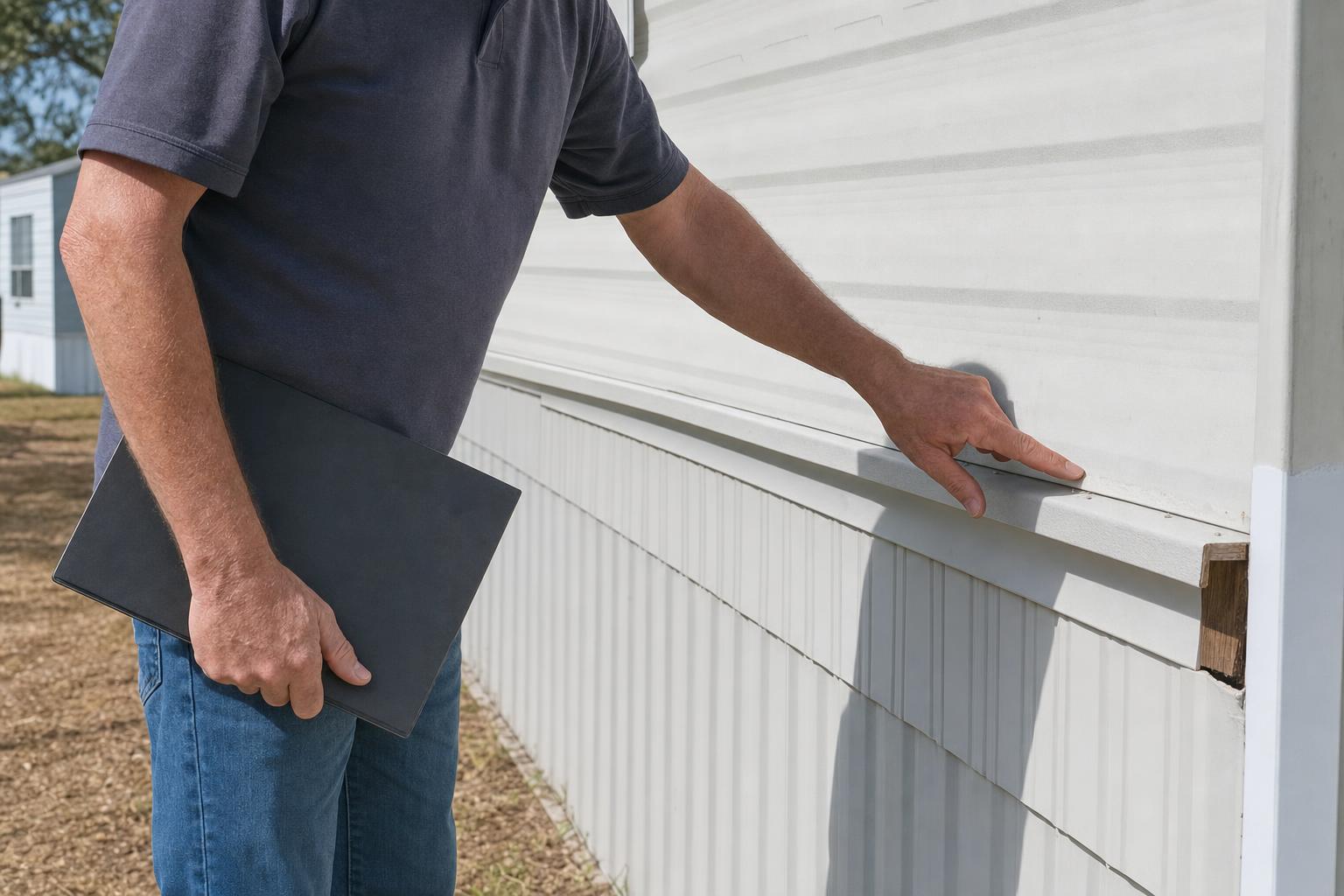
Keep Records Before and After Damage
Maintain photos of the home and each attachment, receipts for permitted upgrades, inspection records, and basic model and installation information. Store copies away from the property or in secure cloud storage. These records do not create coverage, but they can help identify the pre-loss condition and ownership of improvements.
After damage, protect the property from further harm when it is safe, report the loss promptly, and preserve damaged materials until the insurer gives instructions. Before demolition or permanent repair, document the area and obtain written requirements from the building or permitting authority. An estimate should separate direct repair, demolition, debris, and code-required work so each expense can be evaluated under the correct policy provision.
The Florida Building Commission publishes the state building-code resources, but local officials determine the permits and requirements for a particular project. Your insurer, adjuster, contractor, and building department have different roles; a contractor’s estimate does not decide insurance coverage, and an adjuster does not waive permit requirements.
Review Coverage Before a Permit Is Urgent
Ordinance or law questions are easiest to address before storm damage or another loss makes repairs time-sensitive. Review the provision at renewal and after buying an older home, moving the home, adding a structure, or completing a major permitted improvement. Confirm changes in writing and retain the updated declarations and endorsement.
Frequently Asked Questions
Is ordinance or law coverage automatically included?
It depends on the insurer and policy form. It may be included at a limited amount, offered by endorsement, or unavailable for some risks. Read the declarations and endorsement together.
Does it pay for routine upgrades to an older home?
Ordinarily it is connected to enforcement after covered physical damage, not elective remodeling or deferred maintenance. The policy’s trigger and exclusions control.
Does it cover a carport or screen room?
That depends on whether the structure is insured, how it is attached and described, and what the endorsement covers. List additions accurately and ask about each one.
Who decides which code applies?
The authority having jurisdiction determines permit and code requirements. The insurer decides whether resulting expenses meet the policy terms, subject to applicable law and the claim process.
If you want to understand how ordinance or law coverage may apply to your Florida mobile home, contact Bassine Insurance Agency. A licensed agent can review available policy language and limits for your circumstances without promising a claim outcome.